Buy lincolnclub.eu ?
We are moving the project
lincolnclub.eu .
Are you interested in purchasing the domain
lincolnclub.eu ?
domain@kv-gmbh.de · 0541-91531010
Buy lincolnclub.eu ?
Will Russian President Putin restore the Soviet Union?
It is highly unlikely that Russian President Putin will be able to restore the Soviet Union. The Soviet Union collapsed in 1991, and the countries that were part of it have since become independent nations. The geopolitical landscape has also changed significantly since then, and there is little appetite among the former Soviet states to rejoin a centralized union. Additionally, Putin's focus has been on consolidating power within Russia and expanding its influence in the region, rather than reconstituting the Soviet Union. **
What is the principle of leadership in history?
The principle of leadership in history is the idea that effective leaders possess certain qualities and traits that enable them to guide and inspire others towards a common goal. Throughout history, successful leaders have demonstrated characteristics such as vision, courage, integrity, and the ability to communicate effectively. They have also shown a willingness to take risks, make difficult decisions, and adapt to changing circumstances. Ultimately, the principle of leadership in history emphasizes the importance of inspiring and motivating others to achieve greatness. **
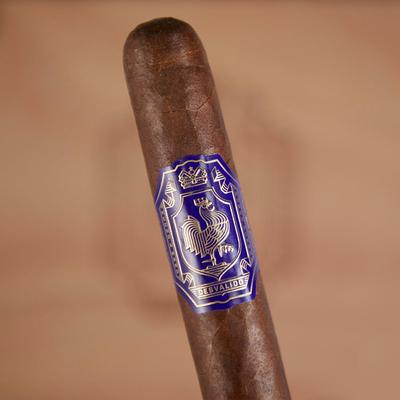

Similar search terms for Dapper
Top-Angebote
Products related to Dapper:


-
What is the difference between civil society politics and pluralistic society politics?
Civil society politics refers to the participation of non-governmental organizations, community groups, and individuals in the political process to advocate for social change and public policy reform. This type of politics focuses on grassroots activism and often involves issues related to human rights, environmental protection, and social justice. On the other hand, pluralistic society politics refers to the political system in which power is dispersed among various competing interest groups, such as political parties, business organizations, and labor unions. In a pluralistic society, different groups with diverse interests and ideologies compete for influence and power within the political system. The key difference between civil society politics and pluralistic society politics lies in the actors involved and the nature of their engagement in the political process. Civil society politics emphasizes the role of non-state actors in advocating for social change, while pluralistic society politics focuses on the competition and negotiation among various interest groups within the political system. **
-
Should civil servants be excluded from leadership positions in disaster management?
No, civil servants should not be excluded from leadership positions in disaster management. Civil servants often have the necessary expertise, experience, and knowledge of government systems to effectively lead disaster management efforts. Their understanding of bureaucratic processes, resource allocation, and interagency coordination can be crucial in effectively responding to and managing disasters. Additionally, civil servants are often dedicated public servants who have a deep commitment to serving their communities, making them well-suited for leadership roles in disaster management. Excluding them from such positions could limit the effectiveness of disaster response efforts. **
-
What is the history of the MSA president?
The history of the MSA president varies depending on the specific university or institution. Generally, the MSA president is a student leader elected by the members of the Muslim Student Association to represent the interests and needs of the Muslim student community on campus. The president typically works to organize events, advocate for the rights of Muslim students, and promote interfaith dialogue and understanding. The role of the MSA president has evolved over time to address the changing needs and concerns of Muslim students on college campuses. **
-
What is the history of the Soviet Union?
The Soviet Union was established in 1922 after the Bolshevik Revolution led by Vladimir Lenin. It was a socialist state that encompassed a vast territory in Eastern Europe and Asia. Under the leadership of Joseph Stalin, the Soviet Union became a superpower, but also experienced repression, political purges, and economic hardship. The Soviet Union collapsed in 1991 due to internal economic problems, political unrest, and pressure from the West. **


What professions deal with politics and history?
Professions that deal with politics and history include politicians, political scientists, historians, journalists, and educators. Politicians are directly involved in shaping policies and making decisions that impact society. Political scientists study the theory and practice of politics, analyzing political systems and behavior. Historians research and interpret past events to provide context for understanding current political issues. Journalists report on political events and developments, keeping the public informed. Educators teach about politics and history, helping to educate the next generation of informed citizens. **
What is the topic of history politics?
The topic of history politics is the study of how political systems and ideologies have evolved over time, and how they have shaped the course of history. This includes examining the rise and fall of empires, the development of different forms of government, and the impact of political decisions on societies and cultures. History politics also explores the role of political leaders and movements in shaping the world we live in today. **
Top-Angebote
Products related to Dapper:
-
Will Russian President Putin restore the Soviet Union?
It is highly unlikely that Russian President Putin will be able to restore the Soviet Union. The Soviet Union collapsed in 1991, and the countries that were part of it have since become independent nations. The geopolitical landscape has also changed significantly since then, and there is little appetite among the former Soviet states to rejoin a centralized union. Additionally, Putin's focus has been on consolidating power within Russia and expanding its influence in the region, rather than reconstituting the Soviet Union. **
-
What is the principle of leadership in history?
The principle of leadership in history is the idea that effective leaders possess certain qualities and traits that enable them to guide and inspire others towards a common goal. Throughout history, successful leaders have demonstrated characteristics such as vision, courage, integrity, and the ability to communicate effectively. They have also shown a willingness to take risks, make difficult decisions, and adapt to changing circumstances. Ultimately, the principle of leadership in history emphasizes the importance of inspiring and motivating others to achieve greatness. **
-
What is the difference between civil society politics and pluralistic society politics?
Civil society politics refers to the participation of non-governmental organizations, community groups, and individuals in the political process to advocate for social change and public policy reform. This type of politics focuses on grassroots activism and often involves issues related to human rights, environmental protection, and social justice. On the other hand, pluralistic society politics refers to the political system in which power is dispersed among various competing interest groups, such as political parties, business organizations, and labor unions. In a pluralistic society, different groups with diverse interests and ideologies compete for influence and power within the political system. The key difference between civil society politics and pluralistic society politics lies in the actors involved and the nature of their engagement in the political process. Civil society politics emphasizes the role of non-state actors in advocating for social change, while pluralistic society politics focuses on the competition and negotiation among various interest groups within the political system. **
-
Should civil servants be excluded from leadership positions in disaster management?
No, civil servants should not be excluded from leadership positions in disaster management. Civil servants often have the necessary expertise, experience, and knowledge of government systems to effectively lead disaster management efforts. Their understanding of bureaucratic processes, resource allocation, and interagency coordination can be crucial in effectively responding to and managing disasters. Additionally, civil servants are often dedicated public servants who have a deep commitment to serving their communities, making them well-suited for leadership roles in disaster management. Excluding them from such positions could limit the effectiveness of disaster response efforts. **
Similar search terms for Dapper
-
What is the history of the MSA president?
The history of the MSA president varies depending on the specific university or institution. Generally, the MSA president is a student leader elected by the members of the Muslim Student Association to represent the interests and needs of the Muslim student community on campus. The president typically works to organize events, advocate for the rights of Muslim students, and promote interfaith dialogue and understanding. The role of the MSA president has evolved over time to address the changing needs and concerns of Muslim students on college campuses. **
-
What is the history of the Soviet Union?
The Soviet Union was established in 1922 after the Bolshevik Revolution led by Vladimir Lenin. It was a socialist state that encompassed a vast territory in Eastern Europe and Asia. Under the leadership of Joseph Stalin, the Soviet Union became a superpower, but also experienced repression, political purges, and economic hardship. The Soviet Union collapsed in 1991 due to internal economic problems, political unrest, and pressure from the West. **
-
What professions deal with politics and history?
Professions that deal with politics and history include politicians, political scientists, historians, journalists, and educators. Politicians are directly involved in shaping policies and making decisions that impact society. Political scientists study the theory and practice of politics, analyzing political systems and behavior. Historians research and interpret past events to provide context for understanding current political issues. Journalists report on political events and developments, keeping the public informed. Educators teach about politics and history, helping to educate the next generation of informed citizens. **
-
What is the topic of history politics?
The topic of history politics is the study of how political systems and ideologies have evolved over time, and how they have shaped the course of history. This includes examining the rise and fall of empires, the development of different forms of government, and the impact of political decisions on societies and cultures. History politics also explores the role of political leaders and movements in shaping the world we live in today. **
* All prices are inclusive of VAT and, if applicable, plus shipping costs. The offer information is based on the details provided by the respective shop and is updated through automated processes. Real-time updates do not occur, so deviations can occur in individual cases. ** Note: Parts of this content were created by AI.