Buy lincolnclub.eu ?
We are moving the project
lincolnclub.eu .
Are you interested in purchasing the domain
lincolnclub.eu ?
domain@kv-gmbh.de · 0541-91531010
Buy lincolnclub.eu ?
What does bravery mean?
Bravery means having the courage to face difficult or dangerous situations without being overcome by fear. It involves taking risks and standing up for what is right, even in the face of adversity. Bravery can manifest in various forms, such as speaking out against injustice, confronting personal fears, or taking on challenges that others may shy away from. Ultimately, bravery is about showing strength and resilience in the face of adversity. **
Why does Cloelia prove bravery?
Cloelia proves bravery because she is willing to risk her own safety in order to escape captivity and return to her homeland. Despite being held hostage by the Etruscans, she seizes an opportunity to escape and leads a group of young women to swim across the Tiber River to freedom. Her determination and courage in the face of danger demonstrate her strong sense of loyalty to her people and her willingness to take action in order to protect them. **


Similar search terms for Bravery
Top-Angebote
Products related to Bravery:




-
Do courage and bravery mean the same thing in Japanese?
In Japanese, courage and bravery are often used interchangeably, and both are translated as "勇気" (yuuki). This term encompasses the idea of both courage and bravery, and is used to describe the quality of being brave in the face of fear or adversity. While there may be subtle differences in the nuances of the two words in English, in Japanese they are often considered to have a similar meaning. **
-
Why is the center of bravery not the same for every person, but individually determined?
The center of bravery is not the same for every person because bravery is a subjective concept that is influenced by individual experiences, beliefs, and values. What one person may consider brave, another may not. Each person's unique life experiences and personal values shape their perception of what it means to be brave, and therefore their center of bravery is individually determined. Additionally, people have different fears and challenges that they must overcome, which further contributes to the individual nature of bravery. **
-
Was the Valkyrie considered more as a man than a woman, especially because of her bravery?
The Valkyrie was not considered more as a man than a woman because of her bravery. In Norse mythology, the Valkyries were female figures who were known for their bravery and ferocity in battle. They were often depicted as powerful and fearless warriors who chose the bravest of fallen warriors to take to Valhalla. Their gender did not diminish their reputation for bravery, and they were revered for their strength and courage regardless of their gender. **
-
Will Russian President Putin restore the Soviet Union?
It is highly unlikely that Russian President Putin will be able to restore the Soviet Union. The Soviet Union collapsed in 1991, and the countries that were part of it have since become independent nations. The geopolitical landscape has also changed significantly since then, and there is little appetite among the former Soviet states to rejoin a centralized union. Additionally, Putin's focus has been on consolidating power within Russia and expanding its influence in the region, rather than reconstituting the Soviet Union. **
What is the principle of leadership in history?
The principle of leadership in history is the idea that effective leaders possess certain qualities and traits that enable them to guide and inspire others towards a common goal. Throughout history, successful leaders have demonstrated characteristics such as vision, courage, integrity, and the ability to communicate effectively. They have also shown a willingness to take risks, make difficult decisions, and adapt to changing circumstances. Ultimately, the principle of leadership in history emphasizes the importance of inspiring and motivating others to achieve greatness. **
What is the difference between civil society politics and pluralistic society politics?
Civil society politics refers to the participation of non-governmental organizations, community groups, and individuals in the political process to advocate for social change and public policy reform. This type of politics focuses on grassroots activism and often involves issues related to human rights, environmental protection, and social justice. On the other hand, pluralistic society politics refers to the political system in which power is dispersed among various competing interest groups, such as political parties, business organizations, and labor unions. In a pluralistic society, different groups with diverse interests and ideologies compete for influence and power within the political system. The key difference between civil society politics and pluralistic society politics lies in the actors involved and the nature of their engagement in the political process. Civil society politics emphasizes the role of non-state actors in advocating for social change, while pluralistic society politics focuses on the competition and negotiation among various interest groups within the political system. **
Top-Angebote
Products related to Bravery:
-
What does bravery mean?
Bravery means having the courage to face difficult or dangerous situations without being overcome by fear. It involves taking risks and standing up for what is right, even in the face of adversity. Bravery can manifest in various forms, such as speaking out against injustice, confronting personal fears, or taking on challenges that others may shy away from. Ultimately, bravery is about showing strength and resilience in the face of adversity. **
-
Why does Cloelia prove bravery?
Cloelia proves bravery because she is willing to risk her own safety in order to escape captivity and return to her homeland. Despite being held hostage by the Etruscans, she seizes an opportunity to escape and leads a group of young women to swim across the Tiber River to freedom. Her determination and courage in the face of danger demonstrate her strong sense of loyalty to her people and her willingness to take action in order to protect them. **
-
Do courage and bravery mean the same thing in Japanese?
In Japanese, courage and bravery are often used interchangeably, and both are translated as "勇気" (yuuki). This term encompasses the idea of both courage and bravery, and is used to describe the quality of being brave in the face of fear or adversity. While there may be subtle differences in the nuances of the two words in English, in Japanese they are often considered to have a similar meaning. **
-
Why is the center of bravery not the same for every person, but individually determined?
The center of bravery is not the same for every person because bravery is a subjective concept that is influenced by individual experiences, beliefs, and values. What one person may consider brave, another may not. Each person's unique life experiences and personal values shape their perception of what it means to be brave, and therefore their center of bravery is individually determined. Additionally, people have different fears and challenges that they must overcome, which further contributes to the individual nature of bravery. **
Similar search terms for Bravery
-
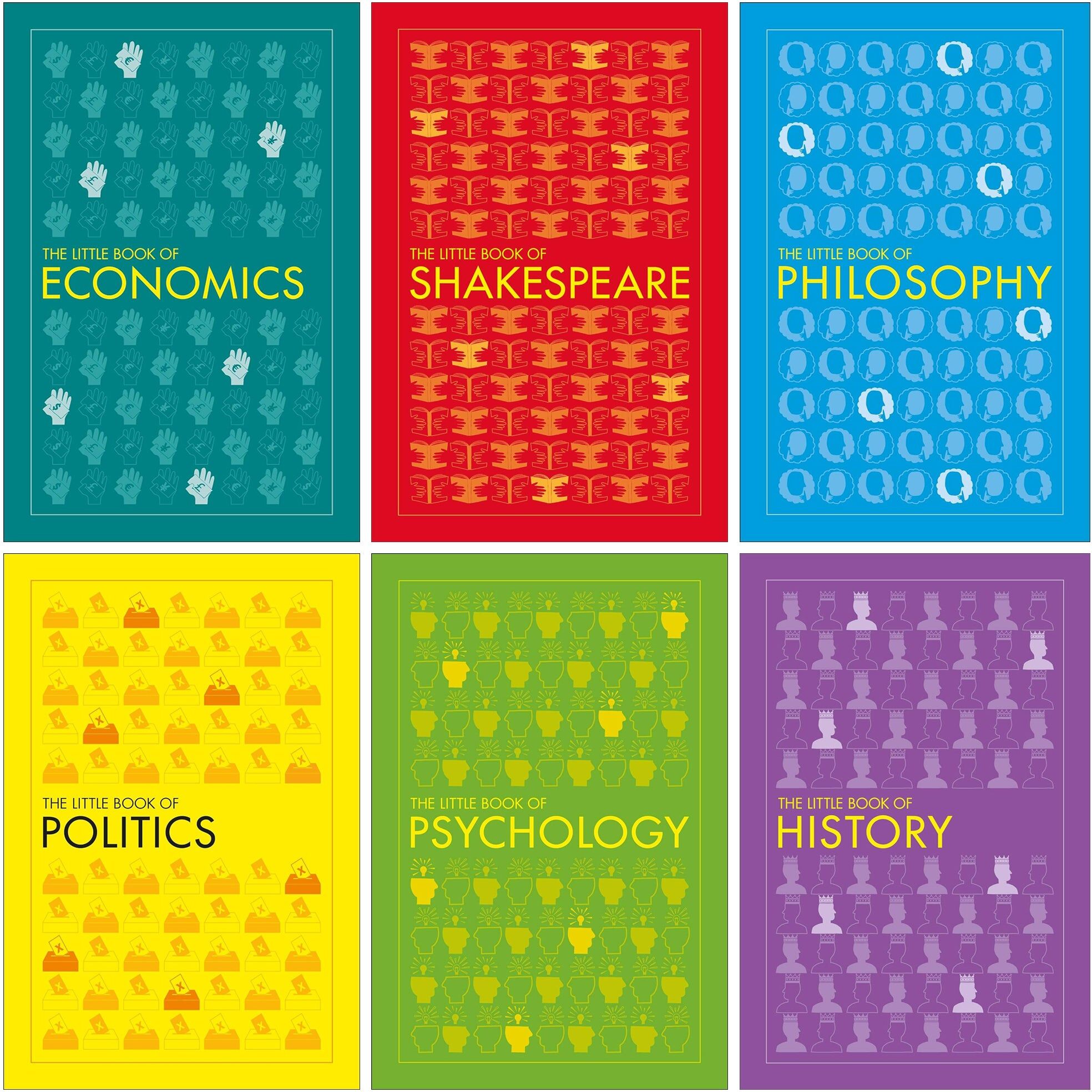
DK The Little Book Of Series 6 Books Collection Set (Economics, Politics, Shakespeare, Philosophy, Psychology, History)The Little Book Of Economics From the earliest forms of currency to the Industrial Revolution, and from the birth of the stock market to free-market capitalism and globalized trade, The Little Book of Economics brings economic theory and the work of key economists to life. Journeying through centuries of economic thought, it is the perfect pocket-sized guide to the subject. The Little Book Of Politics From the origins of democracy to Machiavelli's cunning statecraft, and from Rousseau's "social contract" to the American Declaration of Independence, Marxist communism, the dawn of populism, and identity politics, The Little Book of Politics examines the philosophies behind the different political beliefs and methods of government used around the world over the course of human history. The Little Book Of Shakespeare This bold book covers every work, from the comedies of Twelfth Night and As You Like It to the tragedies of Julius Caesar and Hamlet, plus lost plays and less well-known works of poetry. Easy-to-understand graphics and illustrations bring the themes, plots, characters and language of Shakespeare to life, including illustrated timelines which offer an at-a-glance summary of the action for each play. With detailed plot summaries and an in-depth analysis of the major characters and themes, this is a brilliant, innovative exploration of the entire canon of Shakespeare plays, sonnets and poetry. The Little Book Of Philosophy To the complete novice learning about philosophy can be daunting - The Little Book of Philosophy changes all that. With the use of powerful and easy-to-follow images, famous quotations, and explanations that are easily understandable, this book cuts through any misunderstandings to demystify the subject. The Little Book Of Psychology DK's The Little Book of Psychology answers all these questions and provides an insight into this fascinating field of science. Whether you are a student, an expert, a novice, or have a general interest in the human mind, this portable guide is the perfect choice to start exploring and understanding psychology. The Little Book Of History The Little Book of History charts world history from the dawn of civilisation to the modern culture we live in today. From the origins of homo-sapiens to the release of Nelson Mandela, from the French Revolution to the Space Race, The Little Book of History is a stunning exploration of the human timeline up to and including modern Islam, the world wide web, and the global financial crisis.14,99 £*Shipping: 2,99 £Secure redirect to the provider
-
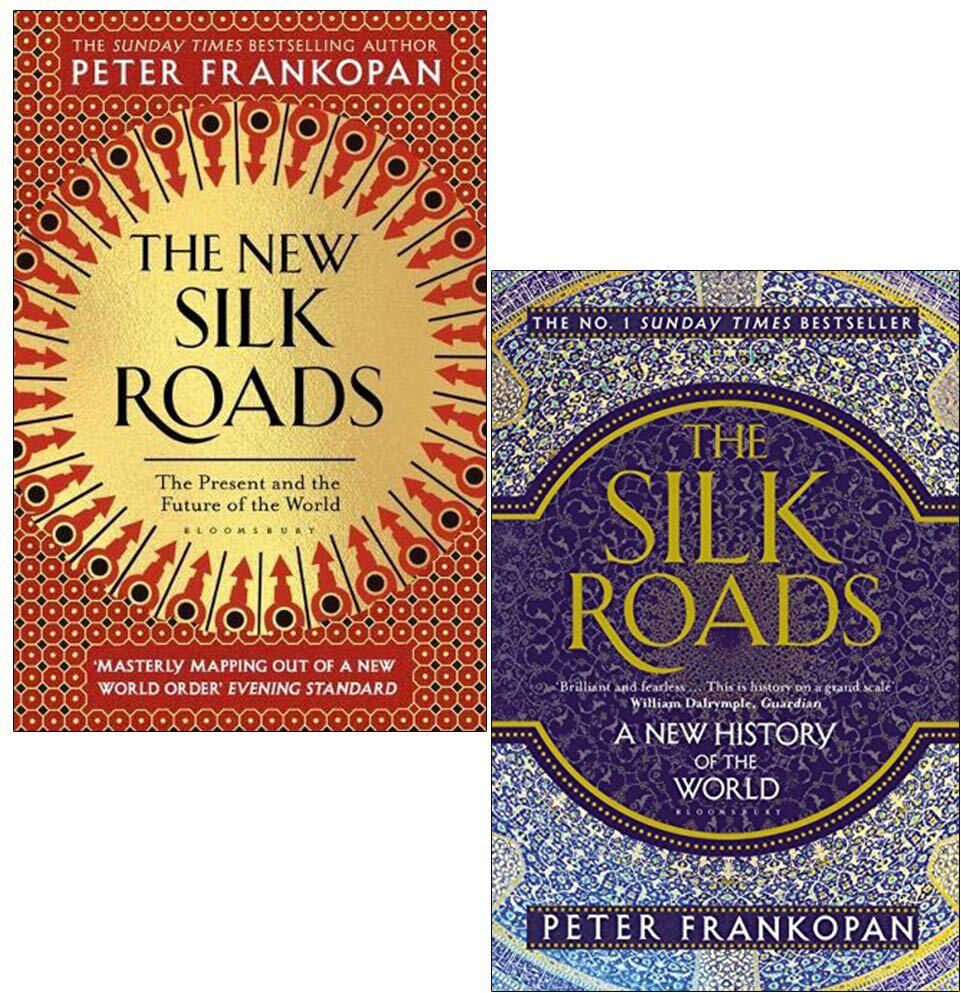
Bloomsbury Publishing The Silk Roads & The New Silk Roads 2 Book Set by Peter Frankopan – History & Global Politics CollectionThe New Silk Roads The Present and Future of the World The New Silk Roads takes a fresh look at the relationships being formed along the length and breadth of the ancient trade routes today. The world is changing dramatically and in an age of Brexit and Trump; the themes of isolation and fragmentation permeating the western world stand in sharp contrast to events along the Silk Roads; where ties are being strengthened and mutual cooperation established.This prescient contemporary history provides a timely reminder that we live in a world that is profoundly interconnected. The Silk Roads: A New History of the World For centuries; fame and fortune were to be found in the west in the New World of the Americas. Today; it is the east which calls out to those in search of riches and adventure. Sweeping right across Central Asia and deep into China and India; a region that once took centre stage is again rising to dominate global politics; commerce and culture.16,98 £*Shipping: 2,99 £Secure redirect to the provider
-
Was the Valkyrie considered more as a man than a woman, especially because of her bravery?
The Valkyrie was not considered more as a man than a woman because of her bravery. In Norse mythology, the Valkyries were female figures who were known for their bravery and ferocity in battle. They were often depicted as powerful and fearless warriors who chose the bravest of fallen warriors to take to Valhalla. Their gender did not diminish their reputation for bravery, and they were revered for their strength and courage regardless of their gender. **
-
Will Russian President Putin restore the Soviet Union?
It is highly unlikely that Russian President Putin will be able to restore the Soviet Union. The Soviet Union collapsed in 1991, and the countries that were part of it have since become independent nations. The geopolitical landscape has also changed significantly since then, and there is little appetite among the former Soviet states to rejoin a centralized union. Additionally, Putin's focus has been on consolidating power within Russia and expanding its influence in the region, rather than reconstituting the Soviet Union. **
-
What is the principle of leadership in history?
The principle of leadership in history is the idea that effective leaders possess certain qualities and traits that enable them to guide and inspire others towards a common goal. Throughout history, successful leaders have demonstrated characteristics such as vision, courage, integrity, and the ability to communicate effectively. They have also shown a willingness to take risks, make difficult decisions, and adapt to changing circumstances. Ultimately, the principle of leadership in history emphasizes the importance of inspiring and motivating others to achieve greatness. **
-
What is the difference between civil society politics and pluralistic society politics?
Civil society politics refers to the participation of non-governmental organizations, community groups, and individuals in the political process to advocate for social change and public policy reform. This type of politics focuses on grassroots activism and often involves issues related to human rights, environmental protection, and social justice. On the other hand, pluralistic society politics refers to the political system in which power is dispersed among various competing interest groups, such as political parties, business organizations, and labor unions. In a pluralistic society, different groups with diverse interests and ideologies compete for influence and power within the political system. The key difference between civil society politics and pluralistic society politics lies in the actors involved and the nature of their engagement in the political process. Civil society politics emphasizes the role of non-state actors in advocating for social change, while pluralistic society politics focuses on the competition and negotiation among various interest groups within the political system. **
* All prices are inclusive of VAT and, if applicable, plus shipping costs. The offer information is based on the details provided by the respective shop and is updated through automated processes. Real-time updates do not occur, so deviations can occur in individual cases. ** Note: Parts of this content were created by AI.