Buy lincolnclub.eu ?
We are moving the project
lincolnclub.eu .
Are you interested in purchasing the domain
lincolnclub.eu ?
domain@kv-gmbh.de · 0541-91531010
Buy lincolnclub.eu ?
Should I study civil engineering or industrial engineering?
The choice between civil engineering and industrial engineering ultimately depends on your interests and career goals. Civil engineering focuses on the design and construction of infrastructure projects such as buildings, bridges, and roads, while industrial engineering focuses on optimizing processes and systems in various industries. Consider your strengths, interests, and the type of work environment you prefer when making your decision. Researching the job market and potential career opportunities in each field can also help you make an informed decision. **
What professions are there: industrial engineer or civil engineer?
Industrial engineers work to improve processes and systems in various industries such as manufacturing, healthcare, and logistics. They focus on optimizing efficiency, reducing waste, and improving quality. Civil engineers, on the other hand, are responsible for designing, constructing, and maintaining infrastructure such as roads, bridges, buildings, and water supply systems. They ensure that these structures are safe, sustainable, and meet the needs of the community. Both professions require strong problem-solving skills, technical knowledge, and the ability to work collaboratively with other professionals. Ultimately, the choice between industrial engineering and civil engineering depends on one's interests and career goals. **

Similar search terms for Industrial
Top-Angebote
Products related to Industrial:
-
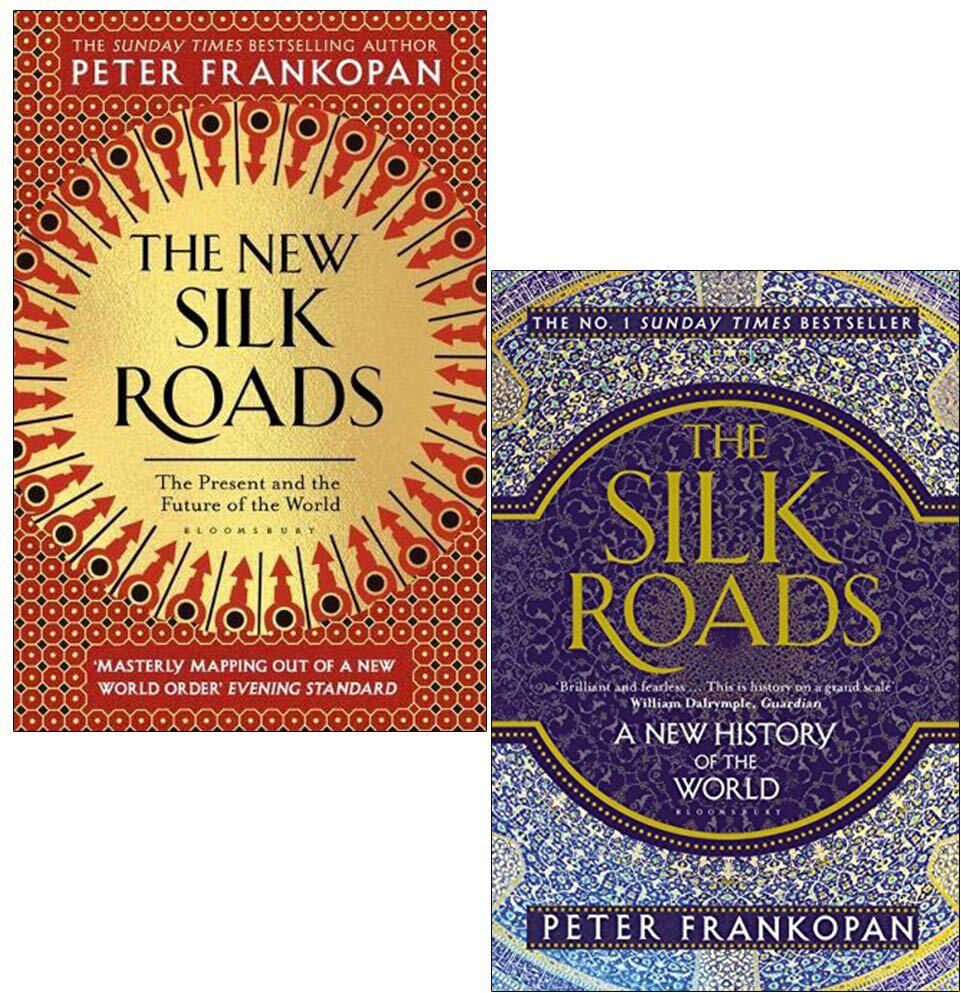
Bloomsbury Publishing The Silk Roads & The New Silk Roads 2 Book Set by Peter Frankopan – History & Global Politics CollectionThe New Silk Roads The Present and Future of the World The New Silk Roads takes a fresh look at the relationships being formed along the length and breadth of the ancient trade routes today. The world is changing dramatically and in an age of Brexit and Trump; the themes of isolation and fragmentation permeating the western world stand in sharp contrast to events along the Silk Roads; where ties are being strengthened and mutual cooperation established.This prescient contemporary history provides a timely reminder that we live in a world that is profoundly interconnected. The Silk Roads: A New History of the World For centuries; fame and fortune were to be found in the west in the New World of the Americas. Today; it is the east which calls out to those in search of riches and adventure. Sweeping right across Central Asia and deep into China and India; a region that once took centre stage is again rising to dominate global politics; commerce and culture.16,98 £*Shipping: 2,99 £Secure redirect to the provider
-
Uplift Essentials Quadro Glow Industrial Folding LED Quadro Glow Industrial Folding LED"Transform any dim space into a highvisibility sanctuary with the QuadroGlow Industrial Folding LED. This highperformance, super bright light bulb features a revolutionary ""Deformable"" design with four independent, adjustable LED panels. Whether..."41,97 $*Shipping: 0,00 $Secure redirect to the provider



-
What is the difference between civil engineering and industrial engineering?
Civil engineering focuses on the design, construction, and maintenance of infrastructure projects such as buildings, roads, bridges, and dams. Industrial engineering, on the other hand, deals with optimizing complex systems and processes within industries to improve efficiency and productivity. While civil engineers work on physical structures and projects that benefit society, industrial engineers focus on streamlining operations and maximizing resources within manufacturing and service industries. **
-
Why are industrial clerks called industrial clerks?
Industrial clerks are called so because they perform administrative and clerical tasks within an industrial setting. Their role involves maintaining records, processing paperwork, and providing support to the operations and management of industrial businesses. The term "industrial" is used to specify the type of environment in which these clerks work, distinguishing them from clerks in other sectors such as retail or healthcare. **
-
Should one rather become an industrial engineer or a civil engineer?
The choice between becoming an industrial engineer or a civil engineer ultimately depends on one's interests and career goals. Industrial engineers focus on optimizing processes and systems within manufacturing and production settings, while civil engineers are involved in designing and constructing infrastructure projects like buildings, bridges, and roads. If you enjoy problem-solving and improving efficiency in manufacturing processes, industrial engineering may be the better choice. On the other hand, if you have a passion for designing and building structures that benefit society, civil engineering could be the more suitable option. It's important to consider your strengths, interests, and long-term career aspirations when deciding between the two fields. **
-
Is it possible to switch from civil engineering to industrial engineering?
Yes, it is possible to switch from civil engineering to industrial engineering. Both fields share some common foundational knowledge in engineering principles, mathematics, and physics. However, industrial engineering focuses more on optimizing complex systems and processes, while civil engineering is more focused on designing and constructing infrastructure. With additional education or training in industrial engineering principles and practices, a civil engineer can transition into a career in industrial engineering. It may require additional coursework or a graduate degree in industrial engineering to make the transition smoother. **


Which degree program leads to the higher civil service of industrial inspection?
A degree program in engineering, specifically in fields such as mechanical, electrical, or industrial engineering, would likely lead to a higher civil service position in industrial inspection. These programs provide the technical knowledge and skills necessary to understand and evaluate industrial processes and equipment. Additionally, a degree in engineering may also fulfill the educational requirements for certain civil service positions in industrial inspection. Overall, a degree in engineering would likely provide a stronger foundation for a career in industrial inspection within the civil service. **
Can I study industrial engineering and civil engineering at the same time?
It is possible to study industrial engineering and civil engineering at the same time, but it would be challenging due to the rigorous course load and different focus areas of the two disciplines. It would be important to carefully plan out a course schedule to ensure that all required courses for both majors are completed within a reasonable timeframe. Additionally, it may be beneficial to consult with academic advisors from both departments to ensure that the workload is manageable and that all degree requirements are being met. **
Top-Angebote
Products related to Industrial:
-
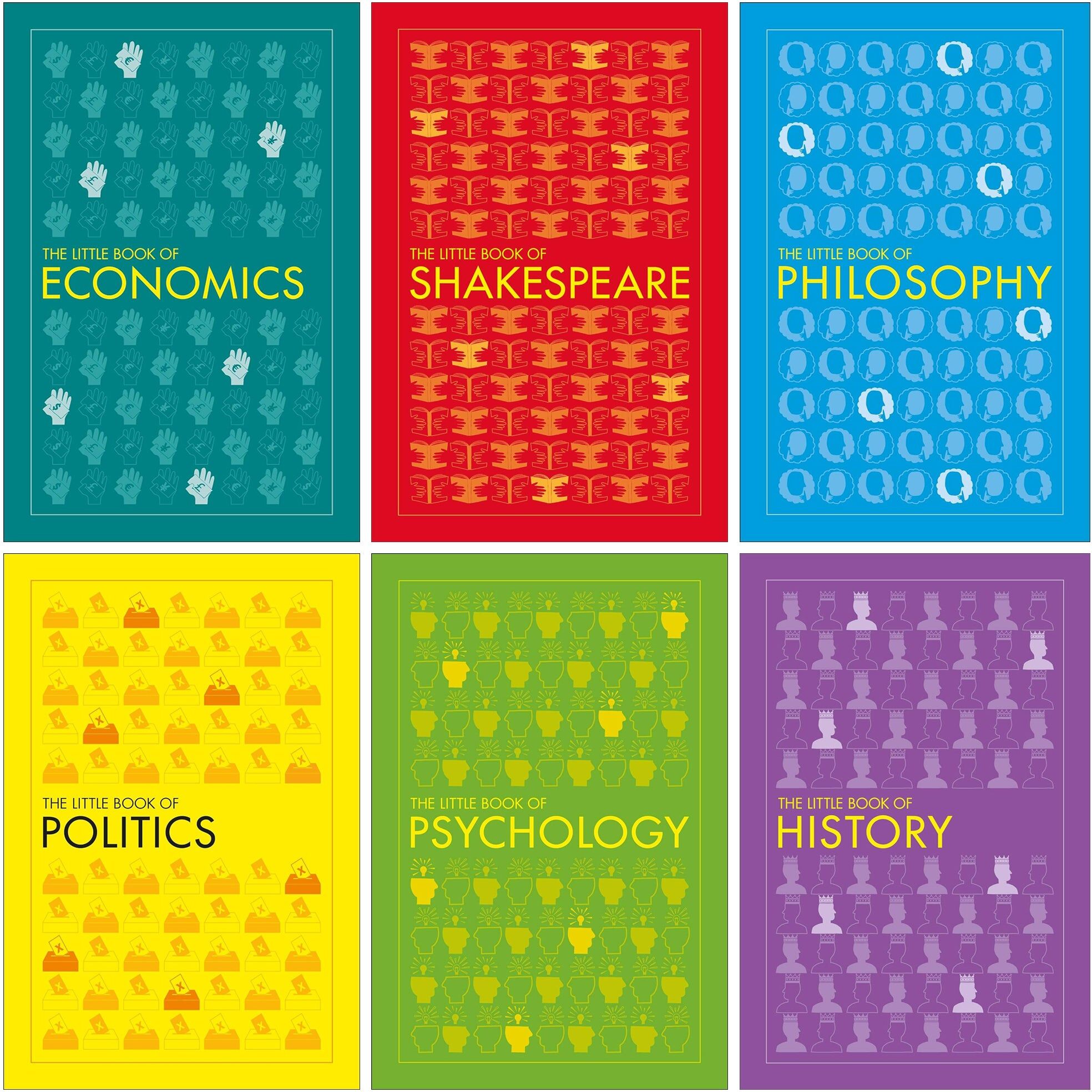
DK The Little Book Of Series 6 Books Collection Set (Economics, Politics, Shakespeare, Philosophy, Psychology, History)The Little Book Of Economics From the earliest forms of currency to the Industrial Revolution, and from the birth of the stock market to free-market capitalism and globalized trade, The Little Book of Economics brings economic theory and the work of key economists to life. Journeying through centuries of economic thought, it is the perfect pocket-sized guide to the subject. The Little Book Of Politics From the origins of democracy to Machiavelli's cunning statecraft, and from Rousseau's "social contract" to the American Declaration of Independence, Marxist communism, the dawn of populism, and identity politics, The Little Book of Politics examines the philosophies behind the different political beliefs and methods of government used around the world over the course of human history. The Little Book Of Shakespeare This bold book covers every work, from the comedies of Twelfth Night and As You Like It to the tragedies of Julius Caesar and Hamlet, plus lost plays and less well-known works of poetry. Easy-to-understand graphics and illustrations bring the themes, plots, characters and language of Shakespeare to life, including illustrated timelines which offer an at-a-glance summary of the action for each play. With detailed plot summaries and an in-depth analysis of the major characters and themes, this is a brilliant, innovative exploration of the entire canon of Shakespeare plays, sonnets and poetry. The Little Book Of Philosophy To the complete novice learning about philosophy can be daunting - The Little Book of Philosophy changes all that. With the use of powerful and easy-to-follow images, famous quotations, and explanations that are easily understandable, this book cuts through any misunderstandings to demystify the subject. The Little Book Of Psychology DK's The Little Book of Psychology answers all these questions and provides an insight into this fascinating field of science. Whether you are a student, an expert, a novice, or have a general interest in the human mind, this portable guide is the perfect choice to start exploring and understanding psychology. The Little Book Of History The Little Book of History charts world history from the dawn of civilisation to the modern culture we live in today. From the origins of homo-sapiens to the release of Nelson Mandela, from the French Revolution to the Space Race, The Little Book of History is a stunning exploration of the human timeline up to and including modern Islam, the world wide web, and the global financial crisis.14,99 £*Shipping: 2,99 £Secure redirect to the provider
-
Bloomsbury Publishing The Silk Roads & The New Silk Roads 2 Book Set by Peter Frankopan – History & Global Politics CollectionThe New Silk Roads The Present and Future of the World The New Silk Roads takes a fresh look at the relationships being formed along the length and breadth of the ancient trade routes today. The world is changing dramatically and in an age of Brexit and Trump; the themes of isolation and fragmentation permeating the western world stand in sharp contrast to events along the Silk Roads; where ties are being strengthened and mutual cooperation established.This prescient contemporary history provides a timely reminder that we live in a world that is profoundly interconnected. The Silk Roads: A New History of the World For centuries; fame and fortune were to be found in the west in the New World of the Americas. Today; it is the east which calls out to those in search of riches and adventure. Sweeping right across Central Asia and deep into China and India; a region that once took centre stage is again rising to dominate global politics; commerce and culture.16,98 £*Shipping: 2,99 £Secure redirect to the provider
-
Should I study civil engineering or industrial engineering?
The choice between civil engineering and industrial engineering ultimately depends on your interests and career goals. Civil engineering focuses on the design and construction of infrastructure projects such as buildings, bridges, and roads, while industrial engineering focuses on optimizing processes and systems in various industries. Consider your strengths, interests, and the type of work environment you prefer when making your decision. Researching the job market and potential career opportunities in each field can also help you make an informed decision. **
-
What professions are there: industrial engineer or civil engineer?
Industrial engineers work to improve processes and systems in various industries such as manufacturing, healthcare, and logistics. They focus on optimizing efficiency, reducing waste, and improving quality. Civil engineers, on the other hand, are responsible for designing, constructing, and maintaining infrastructure such as roads, bridges, buildings, and water supply systems. They ensure that these structures are safe, sustainable, and meet the needs of the community. Both professions require strong problem-solving skills, technical knowledge, and the ability to work collaboratively with other professionals. Ultimately, the choice between industrial engineering and civil engineering depends on one's interests and career goals. **
-
What is the difference between civil engineering and industrial engineering?
Civil engineering focuses on the design, construction, and maintenance of infrastructure projects such as buildings, roads, bridges, and dams. Industrial engineering, on the other hand, deals with optimizing complex systems and processes within industries to improve efficiency and productivity. While civil engineers work on physical structures and projects that benefit society, industrial engineers focus on streamlining operations and maximizing resources within manufacturing and service industries. **
-
Why are industrial clerks called industrial clerks?
Industrial clerks are called so because they perform administrative and clerical tasks within an industrial setting. Their role involves maintaining records, processing paperwork, and providing support to the operations and management of industrial businesses. The term "industrial" is used to specify the type of environment in which these clerks work, distinguishing them from clerks in other sectors such as retail or healthcare. **
Similar search terms for Industrial
-
Uplift Essentials Quadro Glow Industrial Folding LED Quadro Glow Industrial Folding LED"Transform any dim space into a highvisibility sanctuary with the QuadroGlow Industrial Folding LED. This highperformance, super bright light bulb features a revolutionary ""Deformable"" design with four independent, adjustable LED panels. Whether..."41,97 $*Shipping: 0,00 $Secure redirect to the provider
-
Should one rather become an industrial engineer or a civil engineer?
The choice between becoming an industrial engineer or a civil engineer ultimately depends on one's interests and career goals. Industrial engineers focus on optimizing processes and systems within manufacturing and production settings, while civil engineers are involved in designing and constructing infrastructure projects like buildings, bridges, and roads. If you enjoy problem-solving and improving efficiency in manufacturing processes, industrial engineering may be the better choice. On the other hand, if you have a passion for designing and building structures that benefit society, civil engineering could be the more suitable option. It's important to consider your strengths, interests, and long-term career aspirations when deciding between the two fields. **
-
Is it possible to switch from civil engineering to industrial engineering?
Yes, it is possible to switch from civil engineering to industrial engineering. Both fields share some common foundational knowledge in engineering principles, mathematics, and physics. However, industrial engineering focuses more on optimizing complex systems and processes, while civil engineering is more focused on designing and constructing infrastructure. With additional education or training in industrial engineering principles and practices, a civil engineer can transition into a career in industrial engineering. It may require additional coursework or a graduate degree in industrial engineering to make the transition smoother. **
-
Which degree program leads to the higher civil service of industrial inspection?
A degree program in engineering, specifically in fields such as mechanical, electrical, or industrial engineering, would likely lead to a higher civil service position in industrial inspection. These programs provide the technical knowledge and skills necessary to understand and evaluate industrial processes and equipment. Additionally, a degree in engineering may also fulfill the educational requirements for certain civil service positions in industrial inspection. Overall, a degree in engineering would likely provide a stronger foundation for a career in industrial inspection within the civil service. **
-
Can I study industrial engineering and civil engineering at the same time?
It is possible to study industrial engineering and civil engineering at the same time, but it would be challenging due to the rigorous course load and different focus areas of the two disciplines. It would be important to carefully plan out a course schedule to ensure that all required courses for both majors are completed within a reasonable timeframe. Additionally, it may be beneficial to consult with academic advisors from both departments to ensure that the workload is manageable and that all degree requirements are being met. **
* All prices are inclusive of VAT and, if applicable, plus shipping costs. The offer information is based on the details provided by the respective shop and is updated through automated processes. Real-time updates do not occur, so deviations can occur in individual cases. ** Note: Parts of this content were created by AI.