Buy lincolnclub.eu ?
We are moving the project
lincolnclub.eu .
Are you interested in purchasing the domain
lincolnclub.eu ?
domain@kv-gmbh.de · 0541-91531010
Buy lincolnclub.eu ?
Which countries of the Soviet Union were the richest?
The richest countries of the Soviet Union were Russia, Kazakhstan, and Azerbaijan. These countries were rich in natural resources such as oil, natural gas, and minerals, which contributed to their economic prosperity. Additionally, they had developed industrial sectors and were important centers of trade and commerce within the Soviet Union. However, it's important to note that wealth was not evenly distributed within these countries, and there were significant disparities between urban and rural areas, as well as between different social classes. **
Which countries did the Soviet Union consider to be democratic?
The Soviet Union considered countries within its sphere of influence, such as East Germany, Poland, Czechoslovakia, and other Eastern Bloc nations, to be democratic. However, these countries were actually under the control of the Soviet government and did not have genuine democratic systems. The Soviet Union promoted these countries as democratic to legitimize its influence and control over them, but in reality, they were authoritarian states with limited political freedoms. **
Similar search terms for Countries
Top-Angebote
Products related to Countries:
-
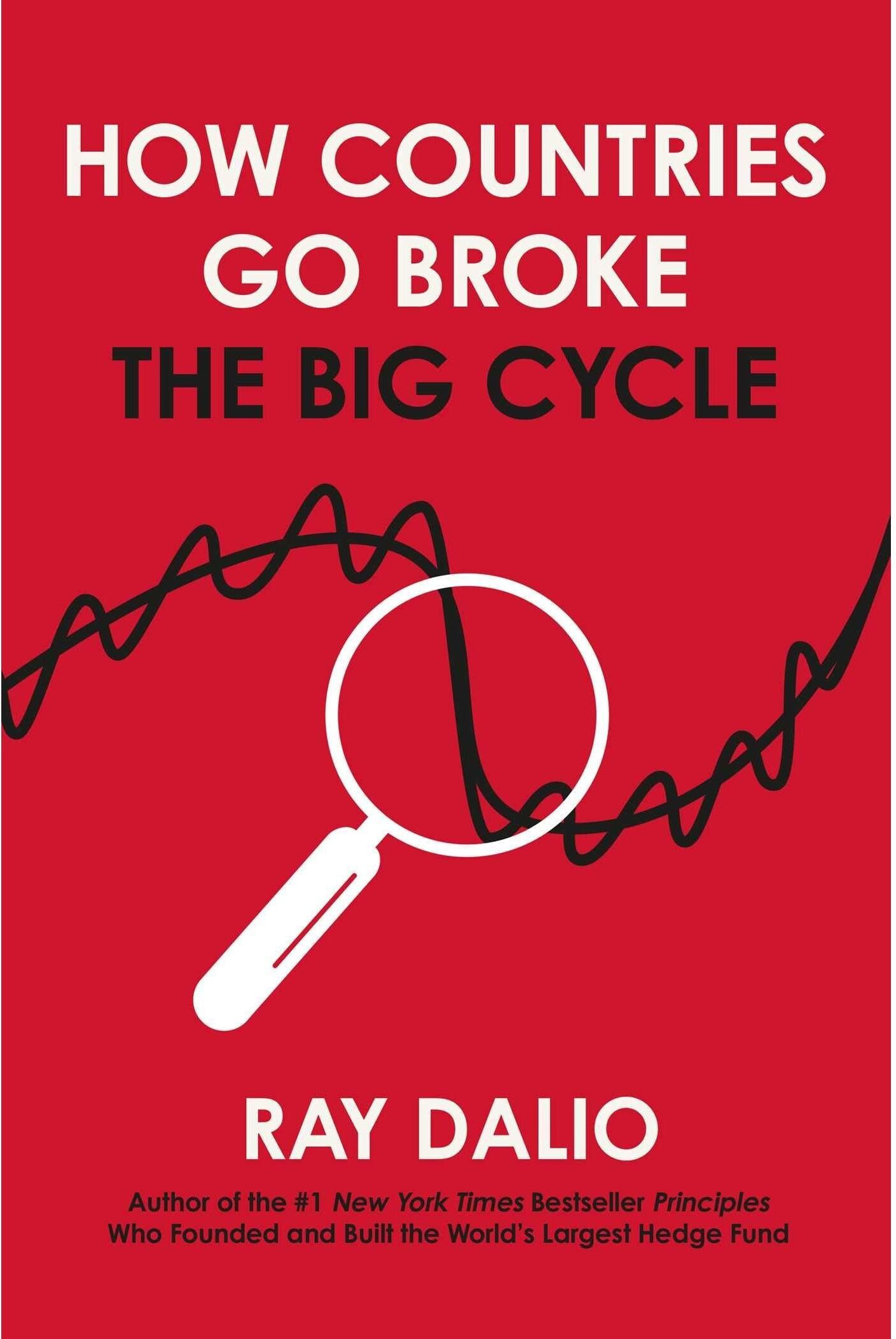
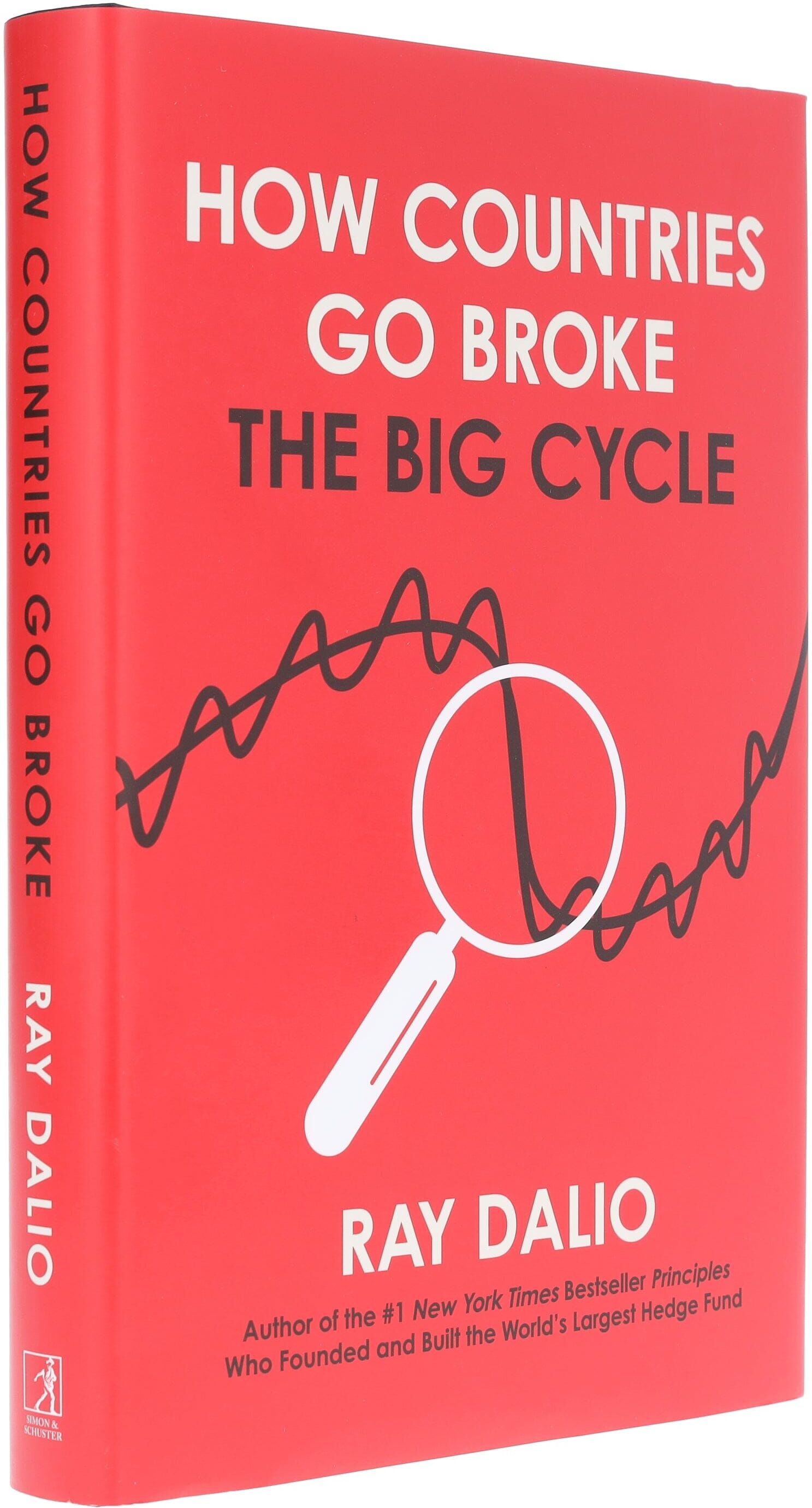
Simon and Schuster UK How Countries Go Broke: Principles for Navigating the Big Debt Cycle, Where We Are Headed, and What We Should DoAn urgent warning about the global economy from Ray Dalio, the #1 New York Times bestselling author of Principles. Do big government debts threaten our collective well-being? Are there limits to debt growth? Can a big, important reserve currency country like the United States really go broke – and what would that look like? For decades, politicians, policymakers and investors have debated these questions, but the answers have eluded them. In this groundbreaking book, Ray Dalio, one of the greatest investors of our time who anticipated the 2008 global financial crisis and the 2010–12 European debt crisis, shares for the first time his detailed explanation of what he calls the 'Big Debt Cycle'. Understanding this cycle is critical for helping policymakers, investors and the general public grasp where we are and where we are headed with the debt issue. Dalio's model points toward surprisingly straightforward solutions for dealing with the debt problems that the US, Europe, Japan and China face today. How Countries Go Broke also shows how these debt problems are related to the other forces – political within countries, geopolitical between countries, natural (droughts, floods and pandemics) and technological (most importantly, AI) – that together are causing what Dalio calls the 'Overall Big Cycle' changes in the world order. By reading this book, you will improve your understanding of what's happening now and what to do about it.17,99 £*Shipping: 2,99 £Secure redirect to the provider
-
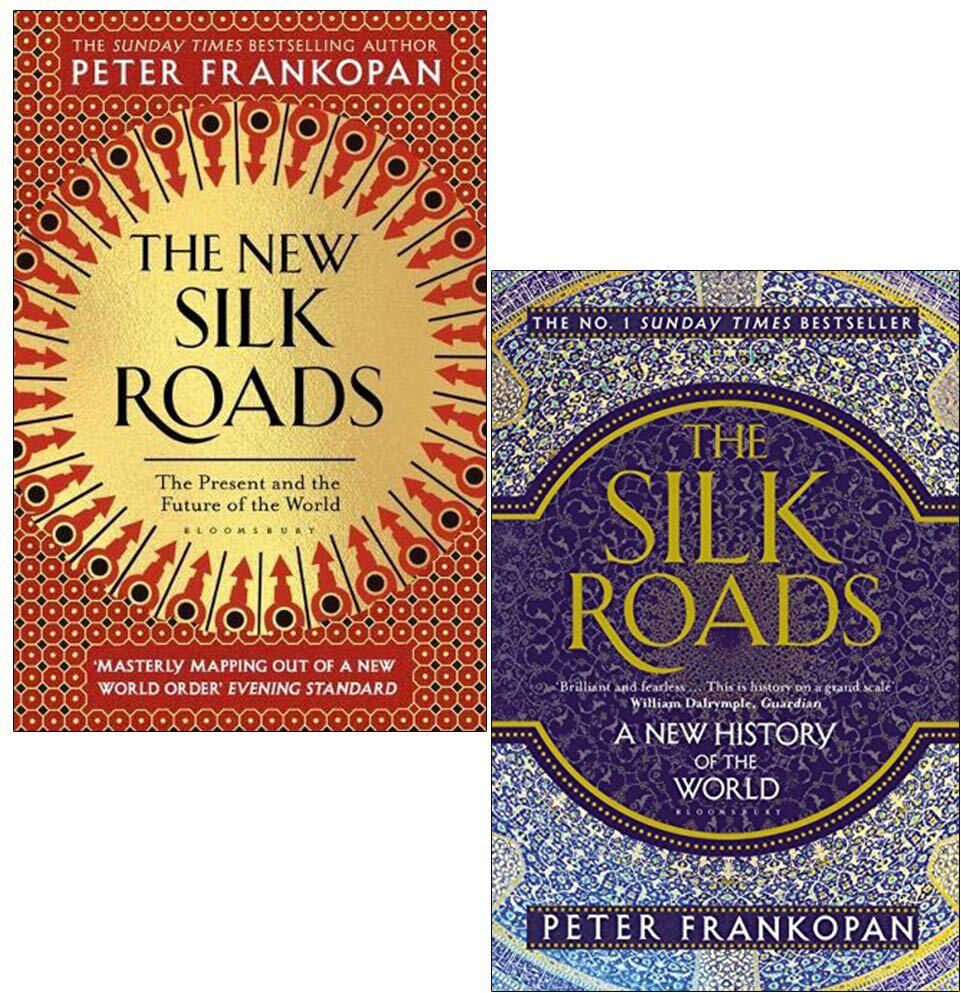
Bloomsbury Publishing The Silk Roads & The New Silk Roads 2 Book Set by Peter Frankopan – History & Global Politics CollectionThe New Silk Roads The Present and Future of the World The New Silk Roads takes a fresh look at the relationships being formed along the length and breadth of the ancient trade routes today. The world is changing dramatically and in an age of Brexit and Trump; the themes of isolation and fragmentation permeating the western world stand in sharp contrast to events along the Silk Roads; where ties are being strengthened and mutual cooperation established.This prescient contemporary history provides a timely reminder that we live in a world that is profoundly interconnected. The Silk Roads: A New History of the World For centuries; fame and fortune were to be found in the west in the New World of the Americas. Today; it is the east which calls out to those in search of riches and adventure. Sweeping right across Central Asia and deep into China and India; a region that once took centre stage is again rising to dominate global politics; commerce and culture.16,98 £*Shipping: 2,99 £Secure redirect to the provider
-
How Countries Go Broke Principles for Navigating the Big Debt Cycle, Where We Are Headed, and What We Should Do by Ray Dalio - Non Fiction - Hardback Simon & SchusterDo big government debts threaten our collective well-being? Are there limits to debt growth? Can a big, important reserve currency country like the United States really go broke – and what would that look like? For decades, politicians, policymakers and investors have debated these questions, but the answers have eluded them. In this groundbreaking book, Ray Dalio, one of the greatest investors of our time who anticipated the 2008 global financial crisis and the 2010–12 European debt crisis, shares for the first time his detailed explanation of what he calls the 'Big Debt Cycle'. Understanding this cycle is critical for helping policymakers, investors and the general public grasp where we are and where we are headed with the debt issue. Dalio's model points toward surprisingly straightforward solutions for dealing with the debt problems that the US, Europe, Japan and China face today. How Countries Go Broke also shows how these debt problems are related to the other forces – political within countries, geopolitical between countries, natural (droughts, floods and pandemics) and technological (most importantly, AI) – that together are causing what Dalio calls the 'Overall Big Cycle' changes in the world order. By reading this book, you will improve your understanding of what's happening now and what to do about it.15,99 £*Shipping: 2,99 £Secure redirect to the provider

-
To which economic and monetary union do four countries belong?
Four countries belong to the Economic and Monetary Union (EMU) of the European Union. These countries are Germany, France, Italy, and Spain. The EMU is a key component of the EU and is responsible for coordinating economic policies and implementing a single currency, the euro, among its member states. The EMU aims to promote economic stability and integration among its member countries. **
-
Which countries have the best history in Europe?
Determining which countries have the "best" history in Europe is subjective and can vary depending on individual interests. However, some countries with rich and diverse histories in Europe include Italy, Greece, and the United Kingdom. Italy is known for its ancient Roman civilization and Renaissance period, while Greece is celebrated for its contributions to philosophy, democracy, and the arts. The United Kingdom has a long and influential history, including the development of the British Empire and its impact on global events. Each of these countries has left a significant mark on European history and the world. **
-
Which countries are Balkan countries?
The Balkan countries are located in the southeastern region of Europe and include Albania, Bosnia and Herzegovina, Bulgaria, Croatia, Greece, Kosovo, Montenegro, North Macedonia, Romania, Serbia, and Slovenia. These countries are characterized by their diverse cultures, histories, and landscapes, and are often considered a bridge between the East and the West. The term "Balkan" is derived from the Balkan Mountains, which run through the region. **
-
Is politics in so-called democratic countries just a show?
Politics in so-called democratic countries can sometimes be seen as a show, as there are instances where politicians may prioritize their own interests or the interests of powerful groups over the needs of the general population. Additionally, the influence of money and special interests in politics can lead to decisions that do not align with the will of the people. However, it is important to note that democratic countries also have systems in place for citizens to participate in the political process and hold their leaders accountable, which can help ensure that politics is not just a show. Ultimately, the extent to which politics is a show in democratic countries can vary depending on the specific context and the actions of political leaders. **

In which European countries is there no left-wing politics?
There are no European countries where left-wing politics is completely absent. However, some countries have a weaker left-wing presence compared to others. For example, in countries like Hungary and Poland, right-wing parties have gained significant power in recent years, leading to a more conservative political landscape. Nevertheless, left-wing parties and movements still exist and have a presence in these countries, albeit with less influence compared to other European nations. **
Do individual countries have the right to withdraw from the union?
Individual countries typically have the right to withdraw from a union if the union's governing documents or agreements allow for it. However, the process of withdrawal is often complex and may involve negotiations with other member countries. In some cases, there may be legal or economic consequences for a country that chooses to leave the union. Ultimately, the decision to withdraw from a union is a sovereign one that each country must make based on its own interests and circumstances. **
Top-Angebote
Products related to Countries:
-
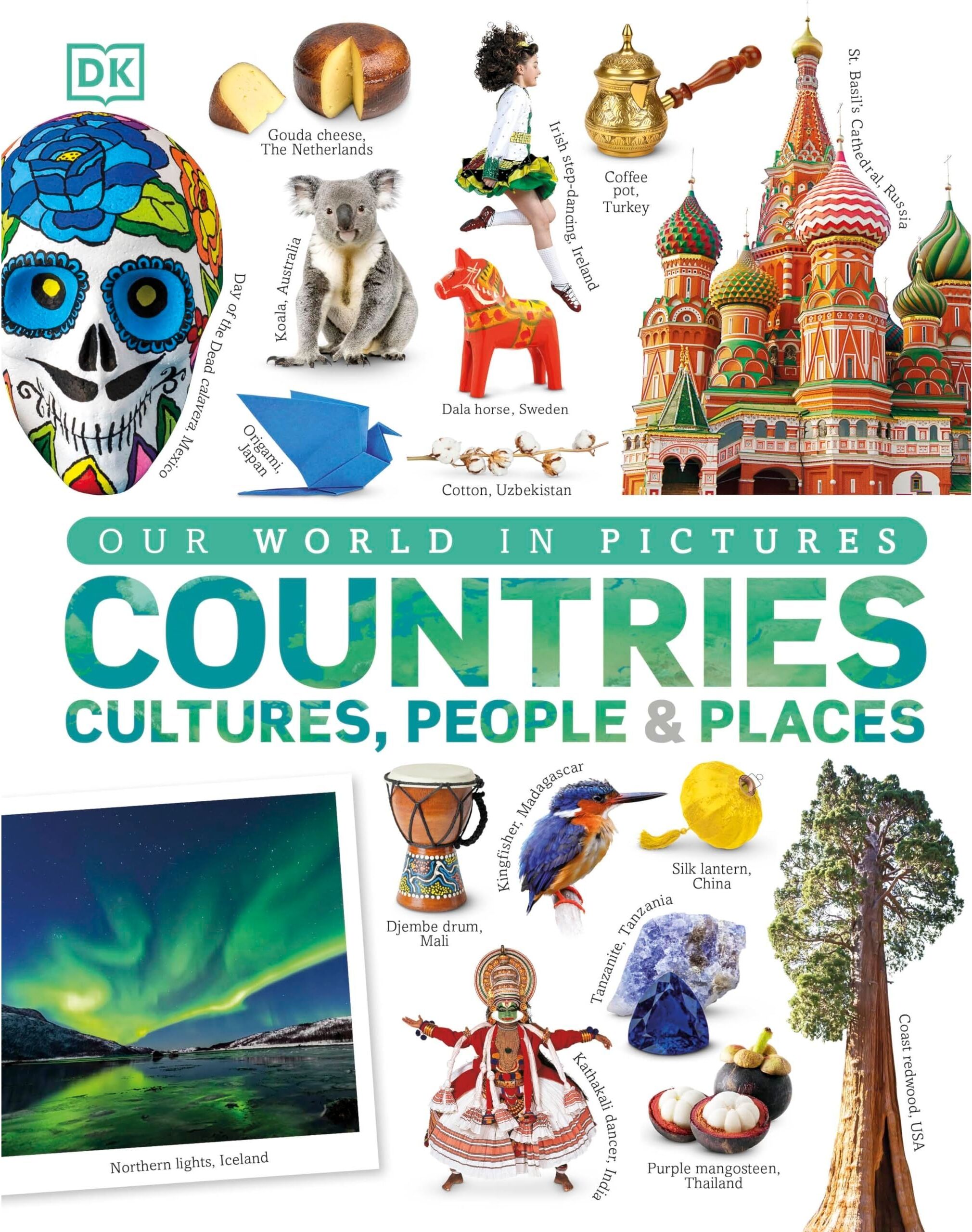
DK Our World in Pictures: Countries, Cultures, People and Places: A Visual Encyclopedia of the WorldPacked with more than 1,000 incredible images and full of fascinating facts, this beautiful children's book takes you on an exciting round-the-globe tour, with a stopover in every nation on every continent! Did you know that Cuba's national sport is baseball, one of the most popular sports in the US? And that kids in both Japan and Chile have earthquake drills on their school schedule? Find out about anything from the spookily vibrant Day of the Dead parade in Mexico and the beautiful springtime cherry blossom displays of Japan, to blueberry-picking in Sweden and India's space programme. Discover the countries of the world - explore their geography, wildlife, traditions, and arts, in this picture-packed children's book. Every country profile is full of photos, and each nation has a full-colour map detailing its main cities, landscape features, and borders, and exactly where in the world they are, in this engaging encyclopedia for children aged 9-12. Celebrate your child's curiosity as they explore: -Striking and detailed diagrams, drawings and illustrations on every page -A highly visual approach to learning -Ideal combination of colourful diagrams with infographic text boxes This captivating kids encyclopedia tackles our weird and wonderful world continent by content, with informative profiles for each of the 196 nations of the world and striking illustrations, photographs and diagrams featured throughout provide an optimum visual learning experience for both children and adults alike, accompanied by an array of fun facts from around the globe! This world encyclopedia includes at-a-glance panels that provide a quick reference to all the stats, making this engaging encyclopedia for kids an ideal combination of colourful diagrams and infographic text boxes with easy-to-read accessible text for readers aged 9-12, yet can be enjoyed by the entire family, making this enthralling children's encyclopedia a beautiful and educational gift that can be passed down generations.7,85 £*Shipping: 2,99 £Secure redirect to the provider
-
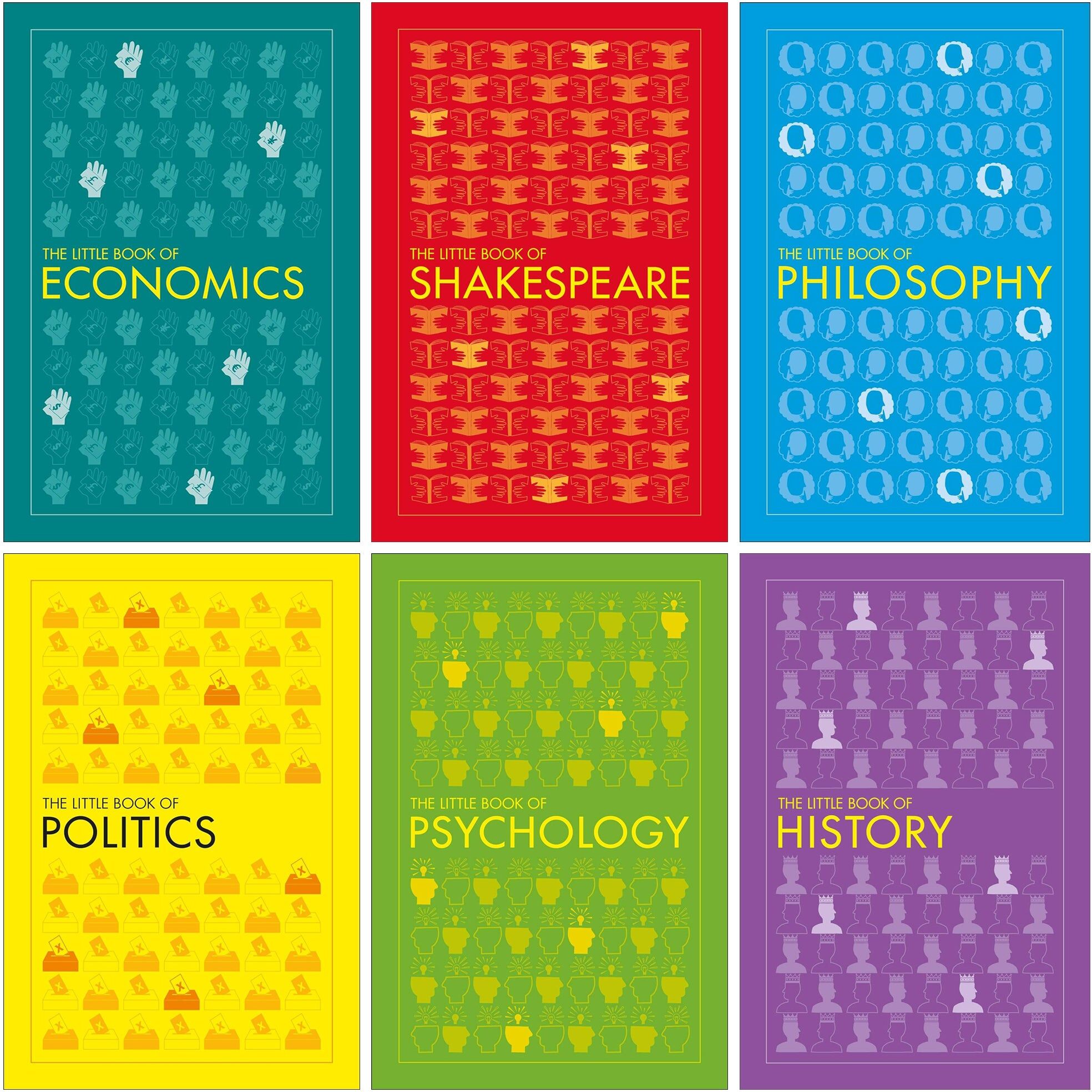
DK The Little Book Of Series 6 Books Collection Set (Economics, Politics, Shakespeare, Philosophy, Psychology, History)The Little Book Of Economics From the earliest forms of currency to the Industrial Revolution, and from the birth of the stock market to free-market capitalism and globalized trade, The Little Book of Economics brings economic theory and the work of key economists to life. Journeying through centuries of economic thought, it is the perfect pocket-sized guide to the subject. The Little Book Of Politics From the origins of democracy to Machiavelli's cunning statecraft, and from Rousseau's "social contract" to the American Declaration of Independence, Marxist communism, the dawn of populism, and identity politics, The Little Book of Politics examines the philosophies behind the different political beliefs and methods of government used around the world over the course of human history. The Little Book Of Shakespeare This bold book covers every work, from the comedies of Twelfth Night and As You Like It to the tragedies of Julius Caesar and Hamlet, plus lost plays and less well-known works of poetry. Easy-to-understand graphics and illustrations bring the themes, plots, characters and language of Shakespeare to life, including illustrated timelines which offer an at-a-glance summary of the action for each play. With detailed plot summaries and an in-depth analysis of the major characters and themes, this is a brilliant, innovative exploration of the entire canon of Shakespeare plays, sonnets and poetry. The Little Book Of Philosophy To the complete novice learning about philosophy can be daunting - The Little Book of Philosophy changes all that. With the use of powerful and easy-to-follow images, famous quotations, and explanations that are easily understandable, this book cuts through any misunderstandings to demystify the subject. The Little Book Of Psychology DK's The Little Book of Psychology answers all these questions and provides an insight into this fascinating field of science. Whether you are a student, an expert, a novice, or have a general interest in the human mind, this portable guide is the perfect choice to start exploring and understanding psychology. The Little Book Of History The Little Book of History charts world history from the dawn of civilisation to the modern culture we live in today. From the origins of homo-sapiens to the release of Nelson Mandela, from the French Revolution to the Space Race, The Little Book of History is a stunning exploration of the human timeline up to and including modern Islam, the world wide web, and the global financial crisis.14,99 £*Shipping: 2,99 £Secure redirect to the provider
-
Simon and Schuster UK How Countries Go Broke: Principles for Navigating the Big Debt Cycle, Where We Are Headed, and What We Should DoAn urgent warning about the global economy from Ray Dalio, the #1 New York Times bestselling author of Principles. Do big government debts threaten our collective well-being? Are there limits to debt growth? Can a big, important reserve currency country like the United States really go broke – and what would that look like? For decades, politicians, policymakers and investors have debated these questions, but the answers have eluded them. In this groundbreaking book, Ray Dalio, one of the greatest investors of our time who anticipated the 2008 global financial crisis and the 2010–12 European debt crisis, shares for the first time his detailed explanation of what he calls the 'Big Debt Cycle'. Understanding this cycle is critical for helping policymakers, investors and the general public grasp where we are and where we are headed with the debt issue. Dalio's model points toward surprisingly straightforward solutions for dealing with the debt problems that the US, Europe, Japan and China face today. How Countries Go Broke also shows how these debt problems are related to the other forces – political within countries, geopolitical between countries, natural (droughts, floods and pandemics) and technological (most importantly, AI) – that together are causing what Dalio calls the 'Overall Big Cycle' changes in the world order. By reading this book, you will improve your understanding of what's happening now and what to do about it.17,99 £*Shipping: 2,99 £Secure redirect to the provider
-
Which countries of the Soviet Union were the richest?
The richest countries of the Soviet Union were Russia, Kazakhstan, and Azerbaijan. These countries were rich in natural resources such as oil, natural gas, and minerals, which contributed to their economic prosperity. Additionally, they had developed industrial sectors and were important centers of trade and commerce within the Soviet Union. However, it's important to note that wealth was not evenly distributed within these countries, and there were significant disparities between urban and rural areas, as well as between different social classes. **
-
Which countries did the Soviet Union consider to be democratic?
The Soviet Union considered countries within its sphere of influence, such as East Germany, Poland, Czechoslovakia, and other Eastern Bloc nations, to be democratic. However, these countries were actually under the control of the Soviet government and did not have genuine democratic systems. The Soviet Union promoted these countries as democratic to legitimize its influence and control over them, but in reality, they were authoritarian states with limited political freedoms. **
-
To which economic and monetary union do four countries belong?
Four countries belong to the Economic and Monetary Union (EMU) of the European Union. These countries are Germany, France, Italy, and Spain. The EMU is a key component of the EU and is responsible for coordinating economic policies and implementing a single currency, the euro, among its member states. The EMU aims to promote economic stability and integration among its member countries. **
-
Which countries have the best history in Europe?
Determining which countries have the "best" history in Europe is subjective and can vary depending on individual interests. However, some countries with rich and diverse histories in Europe include Italy, Greece, and the United Kingdom. Italy is known for its ancient Roman civilization and Renaissance period, while Greece is celebrated for its contributions to philosophy, democracy, and the arts. The United Kingdom has a long and influential history, including the development of the British Empire and its impact on global events. Each of these countries has left a significant mark on European history and the world. **
Similar search terms for Countries
-
Bloomsbury Publishing The Silk Roads & The New Silk Roads 2 Book Set by Peter Frankopan – History & Global Politics CollectionThe New Silk Roads The Present and Future of the World The New Silk Roads takes a fresh look at the relationships being formed along the length and breadth of the ancient trade routes today. The world is changing dramatically and in an age of Brexit and Trump; the themes of isolation and fragmentation permeating the western world stand in sharp contrast to events along the Silk Roads; where ties are being strengthened and mutual cooperation established.This prescient contemporary history provides a timely reminder that we live in a world that is profoundly interconnected. The Silk Roads: A New History of the World For centuries; fame and fortune were to be found in the west in the New World of the Americas. Today; it is the east which calls out to those in search of riches and adventure. Sweeping right across Central Asia and deep into China and India; a region that once took centre stage is again rising to dominate global politics; commerce and culture.16,98 £*Shipping: 2,99 £Secure redirect to the provider
-
How Countries Go Broke Principles for Navigating the Big Debt Cycle, Where We Are Headed, and What We Should Do by Ray Dalio - Non Fiction - Hardback Simon & SchusterDo big government debts threaten our collective well-being? Are there limits to debt growth? Can a big, important reserve currency country like the United States really go broke – and what would that look like? For decades, politicians, policymakers and investors have debated these questions, but the answers have eluded them. In this groundbreaking book, Ray Dalio, one of the greatest investors of our time who anticipated the 2008 global financial crisis and the 2010–12 European debt crisis, shares for the first time his detailed explanation of what he calls the 'Big Debt Cycle'. Understanding this cycle is critical for helping policymakers, investors and the general public grasp where we are and where we are headed with the debt issue. Dalio's model points toward surprisingly straightforward solutions for dealing with the debt problems that the US, Europe, Japan and China face today. How Countries Go Broke also shows how these debt problems are related to the other forces – political within countries, geopolitical between countries, natural (droughts, floods and pandemics) and technological (most importantly, AI) – that together are causing what Dalio calls the 'Overall Big Cycle' changes in the world order. By reading this book, you will improve your understanding of what's happening now and what to do about it.15,99 £*Shipping: 2,99 £Secure redirect to the provider
-
AUTODESK CIVIL 3D 2025AUTODESK CIVIL 3D LICENSE Original and guaranteed by Nextdigitalkey.com Civil 3D ® design software empowers civil engineers to realize tomorrow’s infrastructure, today. Work with a model-based environment for better design decisions and project quality. civil 3D Streamline documentation with a design-driven approach to plans production. Harness the power of BIM (Building Information Modeling) for greater design coordination and project collaboration. What’s new in Civil 3D 2023: Grading Optimization Help Center Pressure networks keyword search Corridor solid property set and targeting Rail switch and crossing enhancements Project Explorer table, report, and object comparison License Complete with all Autodesk Civil 3D functionalities. LANGUAGE: MULTI-LANGUAGE NUMBER OF DEVICES: 1 OPERATING SYSTEM: WINDOWS 10 / WINDOWS 11 LICENSE DURATION: PERPETUAL (No expiry) WHAT DO I RECEIVE WHEN I PURCHASE? By purchasing this product, you will receive the digital software to download and install, the product key for activation, and all instructions for a proper installation. DO I DOWNLOAD THE PRODUCT FROM THE OFFICIAL WEBSITE? Certainly, the product download takes place from the official website, no external links are used, only official links. HOW DO LICENSES HAVE A LOW PRICE? they are used and disused retail licenses from the previous owner in accordance with ECJ C-128/2011 ruling, it is possible to purchase them from us at the best price on the market. Our licenses are digitally delivered via email within a few minutes of payment, they are digital ESD licenses, and all product keys are original and can be reinstalled on the same device. ARE YOU AFRAID YOU WON'T BE ABLE TO INSTALL IT? No problem! We provide direct assistance with remote support available to you 24/7, even on holidays. For system requirements, click HERE.69,95 £*Shipping: 0,00 £Secure redirect to the provider
-
Which countries are Balkan countries?
The Balkan countries are located in the southeastern region of Europe and include Albania, Bosnia and Herzegovina, Bulgaria, Croatia, Greece, Kosovo, Montenegro, North Macedonia, Romania, Serbia, and Slovenia. These countries are characterized by their diverse cultures, histories, and landscapes, and are often considered a bridge between the East and the West. The term "Balkan" is derived from the Balkan Mountains, which run through the region. **
-
Is politics in so-called democratic countries just a show?
Politics in so-called democratic countries can sometimes be seen as a show, as there are instances where politicians may prioritize their own interests or the interests of powerful groups over the needs of the general population. Additionally, the influence of money and special interests in politics can lead to decisions that do not align with the will of the people. However, it is important to note that democratic countries also have systems in place for citizens to participate in the political process and hold their leaders accountable, which can help ensure that politics is not just a show. Ultimately, the extent to which politics is a show in democratic countries can vary depending on the specific context and the actions of political leaders. **
-
In which European countries is there no left-wing politics?
There are no European countries where left-wing politics is completely absent. However, some countries have a weaker left-wing presence compared to others. For example, in countries like Hungary and Poland, right-wing parties have gained significant power in recent years, leading to a more conservative political landscape. Nevertheless, left-wing parties and movements still exist and have a presence in these countries, albeit with less influence compared to other European nations. **
-
Do individual countries have the right to withdraw from the union?
Individual countries typically have the right to withdraw from a union if the union's governing documents or agreements allow for it. However, the process of withdrawal is often complex and may involve negotiations with other member countries. In some cases, there may be legal or economic consequences for a country that chooses to leave the union. Ultimately, the decision to withdraw from a union is a sovereign one that each country must make based on its own interests and circumstances. **
* All prices are inclusive of VAT and, if applicable, plus shipping costs. The offer information is based on the details provided by the respective shop and is updated through automated processes. Real-time updates do not occur, so deviations can occur in individual cases. ** Note: Parts of this content were created by AI.