Buy lincolnclub.eu ?
We are moving the project
lincolnclub.eu .
Are you interested in purchasing the domain
lincolnclub.eu ?
domain@kv-gmbh.de · 0541-91531010
Buy lincolnclub.eu ?
What are metaphorical expressions?
Metaphorical expressions are figures of speech that use language in a non-literal way to make a comparison between two unrelated things. They are used to convey a deeper meaning or create a vivid image in the reader or listener's mind. Metaphorical expressions often involve the use of words such as "like" or "as" to draw a comparison, and they can be found in literature, poetry, everyday language, and even in scientific or technical writing. Overall, metaphorical expressions add depth and creativity to language by allowing us to communicate abstract ideas and emotions in a more engaging and imaginative way. **
What does this metaphorical philosophical proverb mean?
This metaphorical philosophical proverb means that we should not judge a book by its cover. It suggests that we should not make assumptions about something or someone based solely on their outward appearance or initial impression. Instead, we should take the time to truly understand and appreciate the depth and complexity that lies beneath the surface. It encourages us to look beyond the superficial and seek a deeper understanding before forming opinions or passing judgment. **
Similar search terms for Metaphorical
Top-Angebote
Products related to Metaphorical:

-
What does this metaphorical philosophical saying mean?
This metaphorical philosophical saying means that our perception of reality is limited by our own individual experiences and perspectives. Just like how a fish can't comprehend the concept of water because it's always surrounded by it, we may not be able to fully understand certain truths or realities because of our own biases and limitations. It serves as a reminder to be open-minded, consider different viewpoints, and acknowledge that there may be aspects of reality that are beyond our current understanding. **
-
What is the difference between metaphorical and figurative?
Metaphorical language involves using a word or phrase in a non-literal way to create a comparison, often highlighting similarities between two seemingly unrelated things. On the other hand, figurative language is a broader term that encompasses various literary devices, including metaphors, similes, personification, and more. While metaphors specifically involve direct comparisons, figurative language is a more general term that encompasses any use of language beyond its literal meaning to create a deeper understanding or evoke emotions in the reader. **
-
What are parabolic, metaphorical, symbolic, and allegorical meanings?
Parabolic, metaphorical, symbolic, and allegorical meanings are all different ways of conveying deeper or hidden messages in literature, art, or communication. Parabolic meanings involve using stories or narratives to convey moral or spiritual lessons. Metaphorical meanings involve using figures of speech to make a comparison between two unrelated things. Symbolic meanings involve using symbols to represent ideas or qualities. Allegorical meanings involve using a story, poem, or image to represent a deeper moral or spiritual meaning. These different types of meanings allow for layers of interpretation and understanding in various forms of expression. **
-
Why is South German completely detached from the metaphorical level?
South German is completely detached from the metaphorical level because it is a dialect that is primarily focused on practical communication and everyday interactions. It tends to prioritize clarity and directness in communication, rather than using complex metaphors or figurative language. Additionally, South German dialects have a strong emphasis on regional identity and cultural heritage, which further reinforces the use of straightforward language over metaphorical expressions. **
What is the metaphorical meaning of a sea of faces?
The metaphorical meaning of a "sea of faces" refers to a large, overwhelming crowd of people. It conveys the idea of being surrounded by a multitude of individuals, each with their own unique experiences, emotions, and perspectives. This metaphor can also evoke a sense of anonymity and insignificance within a large group, as well as the feeling of being lost or overwhelmed by the sheer number of people present. **
What is the metaphorical meaning of the term "31er traitor"?
The term "31er traitor" is a metaphorical reference to someone who is seen as disloyal or unfaithful to a particular group or cause. The term originates from the 1931 Bonus Army march on Washington, where World War I veterans were demanding early payment of a bonus promised to them. Those who accepted the government's offer of early payment were seen as betraying the solidarity of the group. Therefore, a "31er traitor" is someone who is perceived as betraying the collective interests of a group or community. **
Top-Angebote
Products related to Metaphorical:
-
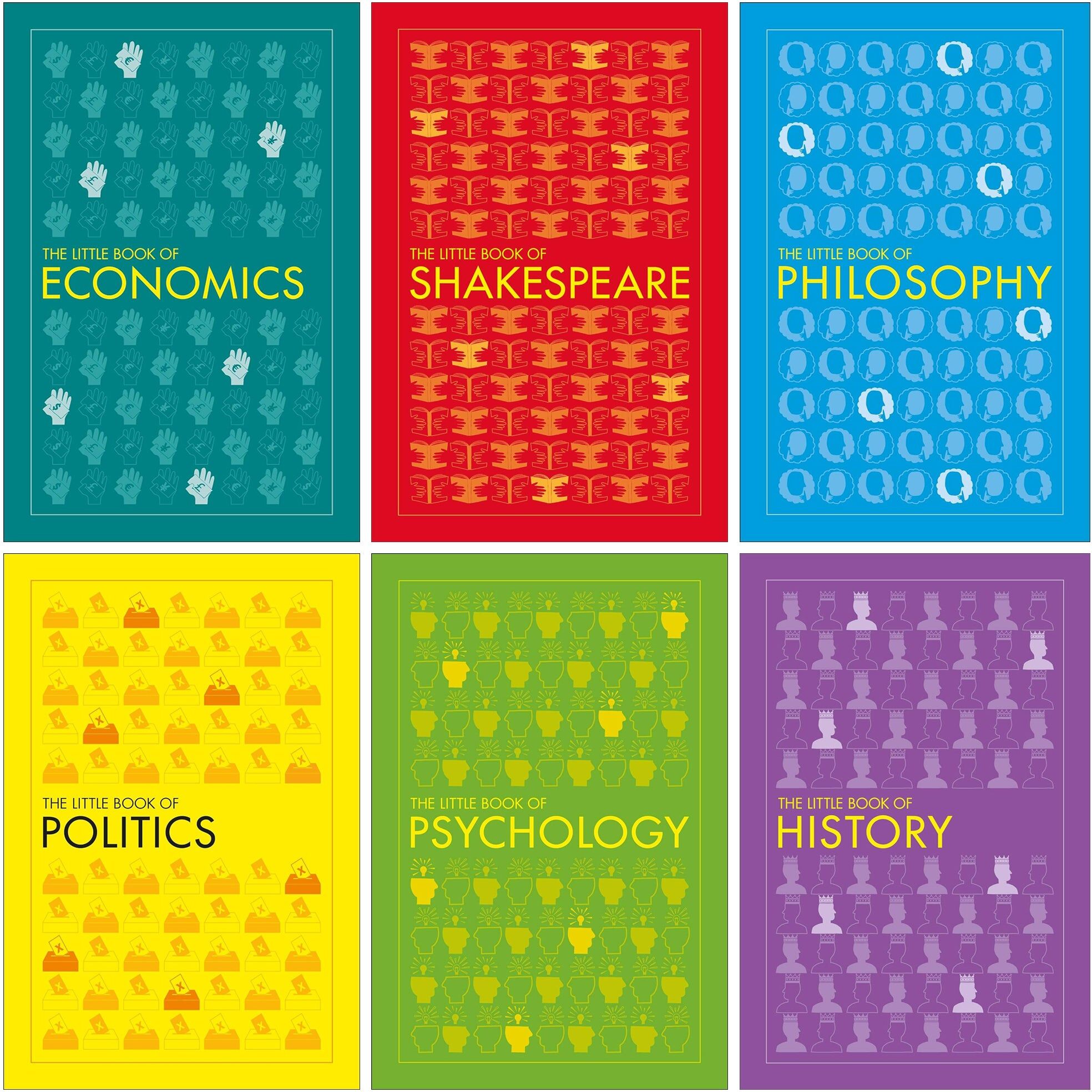
DK The Little Book Of Series 6 Books Collection Set (Economics, Politics, Shakespeare, Philosophy, Psychology, History)The Little Book Of Economics From the earliest forms of currency to the Industrial Revolution, and from the birth of the stock market to free-market capitalism and globalized trade, The Little Book of Economics brings economic theory and the work of key economists to life. Journeying through centuries of economic thought, it is the perfect pocket-sized guide to the subject. The Little Book Of Politics From the origins of democracy to Machiavelli's cunning statecraft, and from Rousseau's "social contract" to the American Declaration of Independence, Marxist communism, the dawn of populism, and identity politics, The Little Book of Politics examines the philosophies behind the different political beliefs and methods of government used around the world over the course of human history. The Little Book Of Shakespeare This bold book covers every work, from the comedies of Twelfth Night and As You Like It to the tragedies of Julius Caesar and Hamlet, plus lost plays and less well-known works of poetry. Easy-to-understand graphics and illustrations bring the themes, plots, characters and language of Shakespeare to life, including illustrated timelines which offer an at-a-glance summary of the action for each play. With detailed plot summaries and an in-depth analysis of the major characters and themes, this is a brilliant, innovative exploration of the entire canon of Shakespeare plays, sonnets and poetry. The Little Book Of Philosophy To the complete novice learning about philosophy can be daunting - The Little Book of Philosophy changes all that. With the use of powerful and easy-to-follow images, famous quotations, and explanations that are easily understandable, this book cuts through any misunderstandings to demystify the subject. The Little Book Of Psychology DK's The Little Book of Psychology answers all these questions and provides an insight into this fascinating field of science. Whether you are a student, an expert, a novice, or have a general interest in the human mind, this portable guide is the perfect choice to start exploring and understanding psychology. The Little Book Of History The Little Book of History charts world history from the dawn of civilisation to the modern culture we live in today. From the origins of homo-sapiens to the release of Nelson Mandela, from the French Revolution to the Space Race, The Little Book of History is a stunning exploration of the human timeline up to and including modern Islam, the world wide web, and the global financial crisis.14,99 £*Shipping: 2,99 £Secure redirect to the provider
-
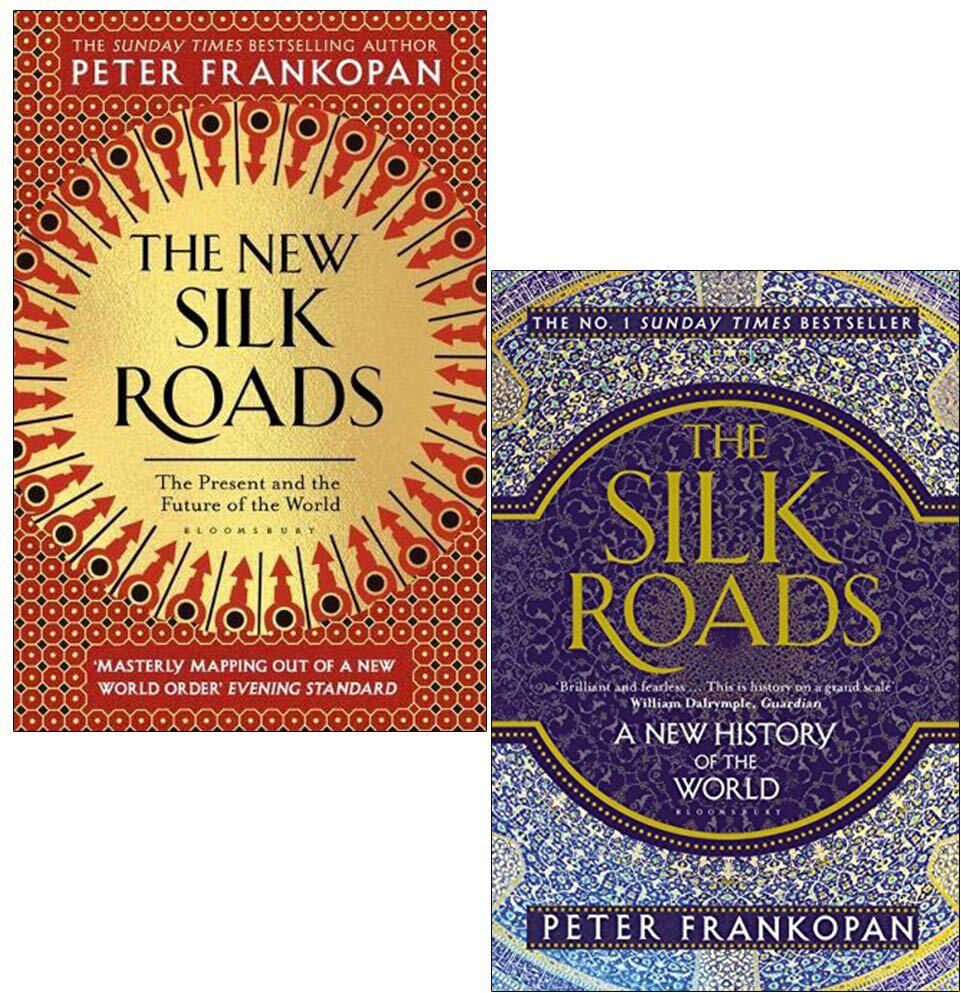
Bloomsbury Publishing The Silk Roads & The New Silk Roads 2 Book Set by Peter Frankopan – History & Global Politics CollectionThe New Silk Roads The Present and Future of the World The New Silk Roads takes a fresh look at the relationships being formed along the length and breadth of the ancient trade routes today. The world is changing dramatically and in an age of Brexit and Trump; the themes of isolation and fragmentation permeating the western world stand in sharp contrast to events along the Silk Roads; where ties are being strengthened and mutual cooperation established.This prescient contemporary history provides a timely reminder that we live in a world that is profoundly interconnected. The Silk Roads: A New History of the World For centuries; fame and fortune were to be found in the west in the New World of the Americas. Today; it is the east which calls out to those in search of riches and adventure. Sweeping right across Central Asia and deep into China and India; a region that once took centre stage is again rising to dominate global politics; commerce and culture.16,98 £*Shipping: 2,99 £Secure redirect to the provider
-
What are metaphorical expressions?
Metaphorical expressions are figures of speech that use language in a non-literal way to make a comparison between two unrelated things. They are used to convey a deeper meaning or create a vivid image in the reader or listener's mind. Metaphorical expressions often involve the use of words such as "like" or "as" to draw a comparison, and they can be found in literature, poetry, everyday language, and even in scientific or technical writing. Overall, metaphorical expressions add depth and creativity to language by allowing us to communicate abstract ideas and emotions in a more engaging and imaginative way. **
-
What does this metaphorical philosophical proverb mean?
This metaphorical philosophical proverb means that we should not judge a book by its cover. It suggests that we should not make assumptions about something or someone based solely on their outward appearance or initial impression. Instead, we should take the time to truly understand and appreciate the depth and complexity that lies beneath the surface. It encourages us to look beyond the superficial and seek a deeper understanding before forming opinions or passing judgment. **
-
What does this metaphorical philosophical saying mean?
This metaphorical philosophical saying means that our perception of reality is limited by our own individual experiences and perspectives. Just like how a fish can't comprehend the concept of water because it's always surrounded by it, we may not be able to fully understand certain truths or realities because of our own biases and limitations. It serves as a reminder to be open-minded, consider different viewpoints, and acknowledge that there may be aspects of reality that are beyond our current understanding. **
-
What is the difference between metaphorical and figurative?
Metaphorical language involves using a word or phrase in a non-literal way to create a comparison, often highlighting similarities between two seemingly unrelated things. On the other hand, figurative language is a broader term that encompasses various literary devices, including metaphors, similes, personification, and more. While metaphors specifically involve direct comparisons, figurative language is a more general term that encompasses any use of language beyond its literal meaning to create a deeper understanding or evoke emotions in the reader. **
Similar search terms for Metaphorical
-
What are parabolic, metaphorical, symbolic, and allegorical meanings?
Parabolic, metaphorical, symbolic, and allegorical meanings are all different ways of conveying deeper or hidden messages in literature, art, or communication. Parabolic meanings involve using stories or narratives to convey moral or spiritual lessons. Metaphorical meanings involve using figures of speech to make a comparison between two unrelated things. Symbolic meanings involve using symbols to represent ideas or qualities. Allegorical meanings involve using a story, poem, or image to represent a deeper moral or spiritual meaning. These different types of meanings allow for layers of interpretation and understanding in various forms of expression. **
-
Why is South German completely detached from the metaphorical level?
South German is completely detached from the metaphorical level because it is a dialect that is primarily focused on practical communication and everyday interactions. It tends to prioritize clarity and directness in communication, rather than using complex metaphors or figurative language. Additionally, South German dialects have a strong emphasis on regional identity and cultural heritage, which further reinforces the use of straightforward language over metaphorical expressions. **
-
What is the metaphorical meaning of a sea of faces?
The metaphorical meaning of a "sea of faces" refers to a large, overwhelming crowd of people. It conveys the idea of being surrounded by a multitude of individuals, each with their own unique experiences, emotions, and perspectives. This metaphor can also evoke a sense of anonymity and insignificance within a large group, as well as the feeling of being lost or overwhelmed by the sheer number of people present. **
-
What is the metaphorical meaning of the term "31er traitor"?
The term "31er traitor" is a metaphorical reference to someone who is seen as disloyal or unfaithful to a particular group or cause. The term originates from the 1931 Bonus Army march on Washington, where World War I veterans were demanding early payment of a bonus promised to them. Those who accepted the government's offer of early payment were seen as betraying the solidarity of the group. Therefore, a "31er traitor" is someone who is perceived as betraying the collective interests of a group or community. **
* All prices are inclusive of VAT and, if applicable, plus shipping costs. The offer information is based on the details provided by the respective shop and is updated through automated processes. Real-time updates do not occur, so deviations can occur in individual cases. ** Note: Parts of this content were created by AI.