Buy lincolnclub.eu ?
We are moving the project
lincolnclub.eu .
Are you interested in purchasing the domain
lincolnclub.eu ?
domain@kv-gmbh.de · 0541-91531010
Buy lincolnclub.eu ?
Are drainage pipes more stable than KG pipes?
Drainage pipes are typically more stable than KG pipes because they are designed to handle the weight of soil and water above them. Drainage pipes are usually made of materials such as PVC or corrugated metal, which are strong and durable. KG pipes, on the other hand, are typically used for non-pressure applications and may not be as sturdy as drainage pipes. Overall, drainage pipes are better suited for underground applications where stability and durability are important factors. **
Are plastic heating pipes as temperature-resistant as copper pipes?
Plastic heating pipes are generally not as temperature-resistant as copper pipes. While plastic pipes can withstand moderate temperatures, they may deform or melt at higher temperatures, leading to potential leaks or damage. Copper pipes, on the other hand, have a higher temperature resistance and are less likely to be affected by heat, making them a more durable option for heating systems. **
Similar search terms for Pipes
Top-Angebote
Products related to Pipes:
-
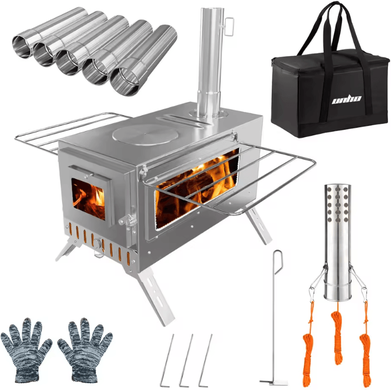
Inspire Curations Portable Hot Tent Wood Stove With Chimney Pipes For Outdoor Cooking & Heating Portable Hot Tent Wood Stove With Chimney Pipes For Outdoor Cooking & HeatingStay warm and cook with confidence wherever your adventure takes you. This portable wood stove is designed for outdoor enthusiasts who need reliable heat and cooking power in one compact setup. Built with durable materials and a complete chimney...380,50 $*Shipping: 0,00 $Secure redirect to the provider


-
How do I replace old steel heating pipes with copper pipes?
To replace old steel heating pipes with copper pipes, you will first need to turn off the water supply to the heating system. Next, use a pipe cutter to remove the old steel pipes and clean the ends of the copper pipes that will be replacing them. Then, use soldering equipment to connect the copper pipes in place of the old steel pipes. Finally, test the new copper pipes for leaks before turning the water supply back on. It is recommended to consult a professional plumber if you are not experienced with this type of work. **
-
Are these lead pipes?
Yes, these are lead pipes. Lead pipes were commonly used in plumbing systems in older buildings, but they have since been phased out due to health concerns associated with lead exposure. It is important to have these pipes replaced with safer alternatives to ensure the health and safety of the occupants. **
-
Are those lead pipes?
Yes, those are lead pipes. Lead pipes were commonly used in plumbing systems in older buildings, but they are now known to be a health hazard due to the potential for lead leaching into the water supply. It is recommended to have lead pipes replaced with safer alternatives to avoid potential health risks. **
-
When do pipes freeze?
Pipes are most likely to freeze when the temperature drops below 20 degrees Fahrenheit. This is especially true for pipes that are located in unheated areas, such as basements, attics, or crawl spaces. Additionally, pipes that are located near exterior walls or in areas with poor insulation are also at a higher risk of freezing. It's important to take preventative measures, such as insulating pipes and allowing faucets to drip during extremely cold weather, to avoid frozen pipes and potential water damage. **


Why do pipes rust?
Pipes rust due to a chemical reaction between the metal in the pipes and oxygen in the air and water. This reaction, known as oxidation, causes the metal to break down and form iron oxide, which is the reddish-brown substance we commonly refer to as rust. Factors such as high levels of moisture, exposure to certain chemicals, and fluctuations in temperature can accelerate the rusting process. Over time, rust can weaken the pipes, leading to leaks and structural damage. Regular maintenance and protective coatings can help prevent rusting in pipes. **
Aren't copper pipes prohibited?
Copper pipes are not prohibited, but there are certain regulations and restrictions on their use in certain applications. In some areas, copper pipes may not be allowed for certain types of water supply systems due to concerns about corrosion or environmental impact. It's important to check local building codes and regulations to ensure compliance with any restrictions on the use of copper pipes. Overall, copper pipes are commonly used for plumbing and water supply systems, but it's important to be aware of any specific restrictions that may apply in a particular area. **
Top-Angebote
Products related to Pipes:
-
Inspire Curations Portable Hot Tent Wood Stove With Chimney Pipes For Outdoor Cooking & Heating Portable Hot Tent Wood Stove With Chimney Pipes For Outdoor Cooking & HeatingStay warm and cook with confidence wherever your adventure takes you. This portable wood stove is designed for outdoor enthusiasts who need reliable heat and cooking power in one compact setup. Built with durable materials and a complete chimney...380,50 $*Shipping: 0,00 $Secure redirect to the provider
-
Are drainage pipes more stable than KG pipes?
Drainage pipes are typically more stable than KG pipes because they are designed to handle the weight of soil and water above them. Drainage pipes are usually made of materials such as PVC or corrugated metal, which are strong and durable. KG pipes, on the other hand, are typically used for non-pressure applications and may not be as sturdy as drainage pipes. Overall, drainage pipes are better suited for underground applications where stability and durability are important factors. **
-
Are plastic heating pipes as temperature-resistant as copper pipes?
Plastic heating pipes are generally not as temperature-resistant as copper pipes. While plastic pipes can withstand moderate temperatures, they may deform or melt at higher temperatures, leading to potential leaks or damage. Copper pipes, on the other hand, have a higher temperature resistance and are less likely to be affected by heat, making them a more durable option for heating systems. **
-
How do I replace old steel heating pipes with copper pipes?
To replace old steel heating pipes with copper pipes, you will first need to turn off the water supply to the heating system. Next, use a pipe cutter to remove the old steel pipes and clean the ends of the copper pipes that will be replacing them. Then, use soldering equipment to connect the copper pipes in place of the old steel pipes. Finally, test the new copper pipes for leaks before turning the water supply back on. It is recommended to consult a professional plumber if you are not experienced with this type of work. **
-
Are these lead pipes?
Yes, these are lead pipes. Lead pipes were commonly used in plumbing systems in older buildings, but they have since been phased out due to health concerns associated with lead exposure. It is important to have these pipes replaced with safer alternatives to ensure the health and safety of the occupants. **
Similar search terms for Pipes
-
Friendly Fresh Finds Colorful Bird Water Whistle Pipes Set Of Fun Toy For Kids Perfect Birthday Gift & Party Accessory Colorful Bird Water Whistle Pipes Set Of Fun Toy For Kids Perfect Birthday Gift & Party AccessoryLooking for a fun and unique way to delight kids at their next birthday party Our Colorful Bird Water Whistle Pipes are the perfect toy to bring joy and laughter to any occasion. Designed with vibrant colors and a playful bird whistle sound, these...31,97 $*Shipping: 0,00 $Secure redirect to the provider
-
DK The Little Book Of Series 6 Books Collection Set (Economics, Politics, Shakespeare, Philosophy, Psychology, History)The Little Book Of Economics From the earliest forms of currency to the Industrial Revolution, and from the birth of the stock market to free-market capitalism and globalized trade, The Little Book of Economics brings economic theory and the work of key economists to life. Journeying through centuries of economic thought, it is the perfect pocket-sized guide to the subject. The Little Book Of Politics From the origins of democracy to Machiavelli's cunning statecraft, and from Rousseau's "social contract" to the American Declaration of Independence, Marxist communism, the dawn of populism, and identity politics, The Little Book of Politics examines the philosophies behind the different political beliefs and methods of government used around the world over the course of human history. The Little Book Of Shakespeare This bold book covers every work, from the comedies of Twelfth Night and As You Like It to the tragedies of Julius Caesar and Hamlet, plus lost plays and less well-known works of poetry. Easy-to-understand graphics and illustrations bring the themes, plots, characters and language of Shakespeare to life, including illustrated timelines which offer an at-a-glance summary of the action for each play. With detailed plot summaries and an in-depth analysis of the major characters and themes, this is a brilliant, innovative exploration of the entire canon of Shakespeare plays, sonnets and poetry. The Little Book Of Philosophy To the complete novice learning about philosophy can be daunting - The Little Book of Philosophy changes all that. With the use of powerful and easy-to-follow images, famous quotations, and explanations that are easily understandable, this book cuts through any misunderstandings to demystify the subject. The Little Book Of Psychology DK's The Little Book of Psychology answers all these questions and provides an insight into this fascinating field of science. Whether you are a student, an expert, a novice, or have a general interest in the human mind, this portable guide is the perfect choice to start exploring and understanding psychology. The Little Book Of History The Little Book of History charts world history from the dawn of civilisation to the modern culture we live in today. From the origins of homo-sapiens to the release of Nelson Mandela, from the French Revolution to the Space Race, The Little Book of History is a stunning exploration of the human timeline up to and including modern Islam, the world wide web, and the global financial crisis.14,99 £*Shipping: 2,99 £Secure redirect to the provider
-
Are those lead pipes?
Yes, those are lead pipes. Lead pipes were commonly used in plumbing systems in older buildings, but they are now known to be a health hazard due to the potential for lead leaching into the water supply. It is recommended to have lead pipes replaced with safer alternatives to avoid potential health risks. **
-
When do pipes freeze?
Pipes are most likely to freeze when the temperature drops below 20 degrees Fahrenheit. This is especially true for pipes that are located in unheated areas, such as basements, attics, or crawl spaces. Additionally, pipes that are located near exterior walls or in areas with poor insulation are also at a higher risk of freezing. It's important to take preventative measures, such as insulating pipes and allowing faucets to drip during extremely cold weather, to avoid frozen pipes and potential water damage. **
-
Why do pipes rust?
Pipes rust due to a chemical reaction between the metal in the pipes and oxygen in the air and water. This reaction, known as oxidation, causes the metal to break down and form iron oxide, which is the reddish-brown substance we commonly refer to as rust. Factors such as high levels of moisture, exposure to certain chemicals, and fluctuations in temperature can accelerate the rusting process. Over time, rust can weaken the pipes, leading to leaks and structural damage. Regular maintenance and protective coatings can help prevent rusting in pipes. **
-
Aren't copper pipes prohibited?
Copper pipes are not prohibited, but there are certain regulations and restrictions on their use in certain applications. In some areas, copper pipes may not be allowed for certain types of water supply systems due to concerns about corrosion or environmental impact. It's important to check local building codes and regulations to ensure compliance with any restrictions on the use of copper pipes. Overall, copper pipes are commonly used for plumbing and water supply systems, but it's important to be aware of any specific restrictions that may apply in a particular area. **
* All prices are inclusive of VAT and, if applicable, plus shipping costs. The offer information is based on the details provided by the respective shop and is updated through automated processes. Real-time updates do not occur, so deviations can occur in individual cases. ** Note: Parts of this content were created by AI.