Buy lincolnclub.eu ?
We are moving the project
lincolnclub.eu .
Are you interested in purchasing the domain
lincolnclub.eu ?
domain@kv-gmbh.de · 0541-91531010
Buy lincolnclub.eu ?
What is the principle of leadership in history?
The principle of leadership in history is the idea that effective leaders possess certain qualities and traits that enable them to guide and inspire others towards a common goal. Throughout history, successful leaders have demonstrated characteristics such as vision, courage, integrity, and the ability to communicate effectively. They have also shown a willingness to take risks, make difficult decisions, and adapt to changing circumstances. Ultimately, the principle of leadership in history emphasizes the importance of inspiring and motivating others to achieve greatness. **
What is Hitler's leadership principle?
Hitler's leadership principle, as outlined in his book Mein Kampf, was based on the concept of the "Fuhrerprinzip" or the leader principle. This principle emphasized absolute obedience to the leader, who was seen as the ultimate authority and decision-maker. Hitler believed in a hierarchical structure with himself at the top, and expected unwavering loyalty and obedience from his subordinates. This authoritarian leadership style allowed Hitler to consolidate power and control within the Nazi party and the German state. **
Similar search terms for Principle
Top-Angebote
Products related to Principle:
-
John Murray The 80/20 Principle : The Secret of Achieving More with Less: by Richard KochREAD THIS BOOK AND USE IT - TIM FERRISS Twenty years after its first publication, The 80/20 Principle is a global bestseller read by millions of highly effective people around the world. Now, it is more powerful and essential than ever. In the past, the principle gave those who used it a serious advantage.In the future, it will be the essential tool for anyone who wants to succeed. And it is powerful. Based on the counter-intuitive but widespread fact that 80% of results flow from 20% of causes, The 80/20 Principle shows how you can achieve much more with much less effort, time and resources, simply by concentrating on the all-important 20%.This major new edition includes four brand new chapters showing how to: Use the rise of networks to your advantage Benefit from more acute 90/10 and 99/1 forms of the principle Tap into your subconscious to exert a super-potent and amazingly favourable influence on your life Enjoy greater success with 5 mega rules to live by5,95 £*Shipping: 2,99 £Secure redirect to the provider
-
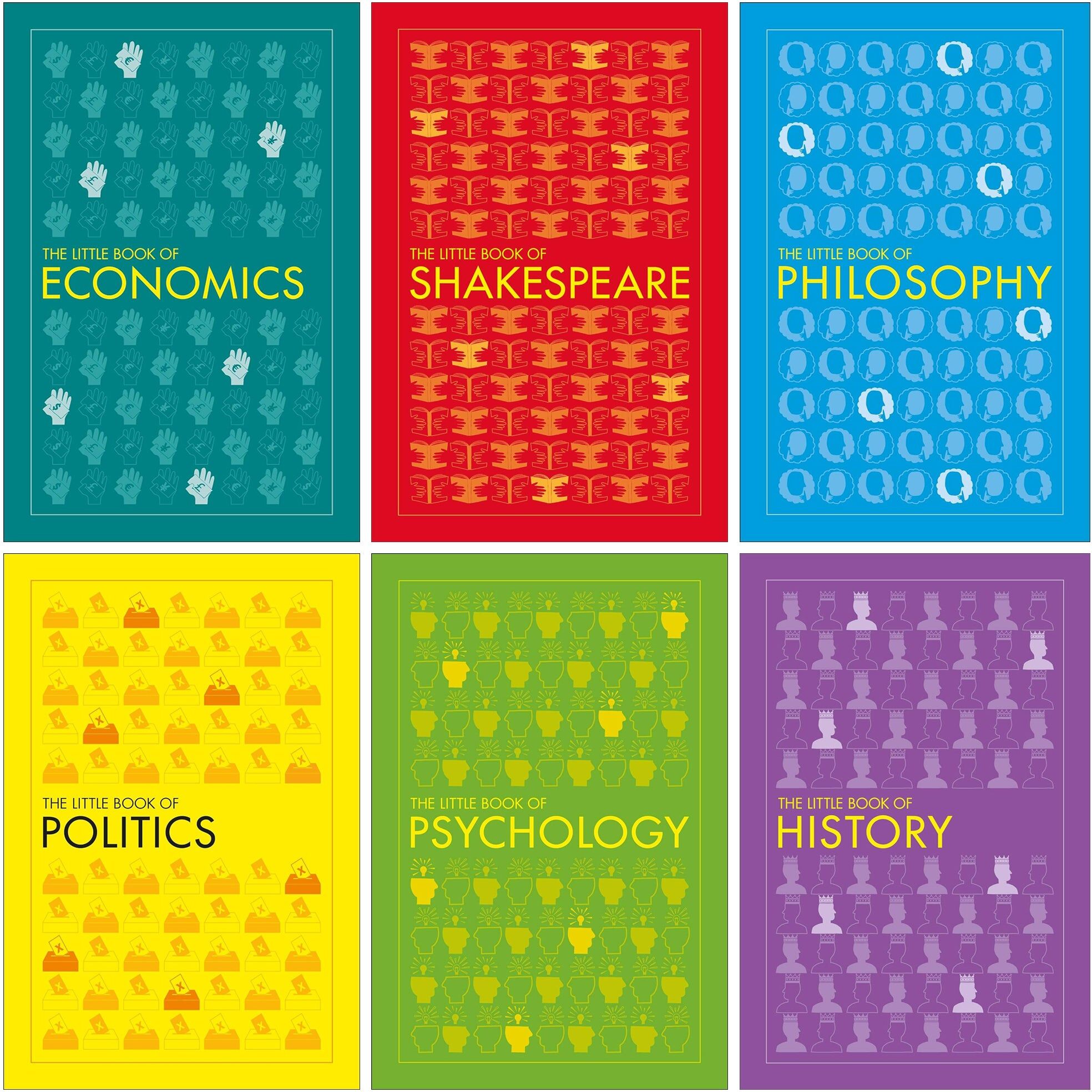
DK The Little Book Of Series 6 Books Collection Set (Economics, Politics, Shakespeare, Philosophy, Psychology, History)The Little Book Of Economics From the earliest forms of currency to the Industrial Revolution, and from the birth of the stock market to free-market capitalism and globalized trade, The Little Book of Economics brings economic theory and the work of key economists to life. Journeying through centuries of economic thought, it is the perfect pocket-sized guide to the subject. The Little Book Of Politics From the origins of democracy to Machiavelli's cunning statecraft, and from Rousseau's "social contract" to the American Declaration of Independence, Marxist communism, the dawn of populism, and identity politics, The Little Book of Politics examines the philosophies behind the different political beliefs and methods of government used around the world over the course of human history. The Little Book Of Shakespeare This bold book covers every work, from the comedies of Twelfth Night and As You Like It to the tragedies of Julius Caesar and Hamlet, plus lost plays and less well-known works of poetry. Easy-to-understand graphics and illustrations bring the themes, plots, characters and language of Shakespeare to life, including illustrated timelines which offer an at-a-glance summary of the action for each play. With detailed plot summaries and an in-depth analysis of the major characters and themes, this is a brilliant, innovative exploration of the entire canon of Shakespeare plays, sonnets and poetry. The Little Book Of Philosophy To the complete novice learning about philosophy can be daunting - The Little Book of Philosophy changes all that. With the use of powerful and easy-to-follow images, famous quotations, and explanations that are easily understandable, this book cuts through any misunderstandings to demystify the subject. The Little Book Of Psychology DK's The Little Book of Psychology answers all these questions and provides an insight into this fascinating field of science. Whether you are a student, an expert, a novice, or have a general interest in the human mind, this portable guide is the perfect choice to start exploring and understanding psychology. The Little Book Of History The Little Book of History charts world history from the dawn of civilisation to the modern culture we live in today. From the origins of homo-sapiens to the release of Nelson Mandela, from the French Revolution to the Space Race, The Little Book of History is a stunning exploration of the human timeline up to and including modern Islam, the world wide web, and the global financial crisis.14,99 £*Shipping: 2,99 £Secure redirect to the provider
-
Nicholas Brealey Publishing The 80/20 Principle, Atomic Habits, How to Talk to Anyone Collection 3 Books Set by Richard Koch, James Clear, Leil LowndesThe 80/20 Principle The unspoken corollary to the 80/20 principle is that little of what you spend your time on actually counts. But by concentrating on those things that do, you can unlock the enormous potential of the magic 20 percent. Discover how to identify the few methods that will lead to great results, and use them alone. Avoid hard work. Don't push water uphill. Be very selective in what you do. Have a great life. Atomic Habits People think that when you want to change your life, you need to think big. But world-renowned habits expert James Clear has discovered another way. He knows that real change comes from the compound effect of hundreds of small decisions: doing two push-ups a day, waking up five minutes early, or holding a single short phone call. He calls them atomic habits. In this ground-breaking book, Clears reveals exactly how these minuscule changes can grow into such life-altering outcomes. How to Talk to Anyone Never be at a loss for words again! Perfect your people skills with his fun, witty and informative guide, containing 92 little tricks to create big success in personal and business relationships. In How To Talk To Anyone, bestselling relationships author and internationally renowned life coach Leil Lowndes reveals the secrets and psychology behind successful communication16,50 £*Shipping: 2,99 £Secure redirect to the provider
-
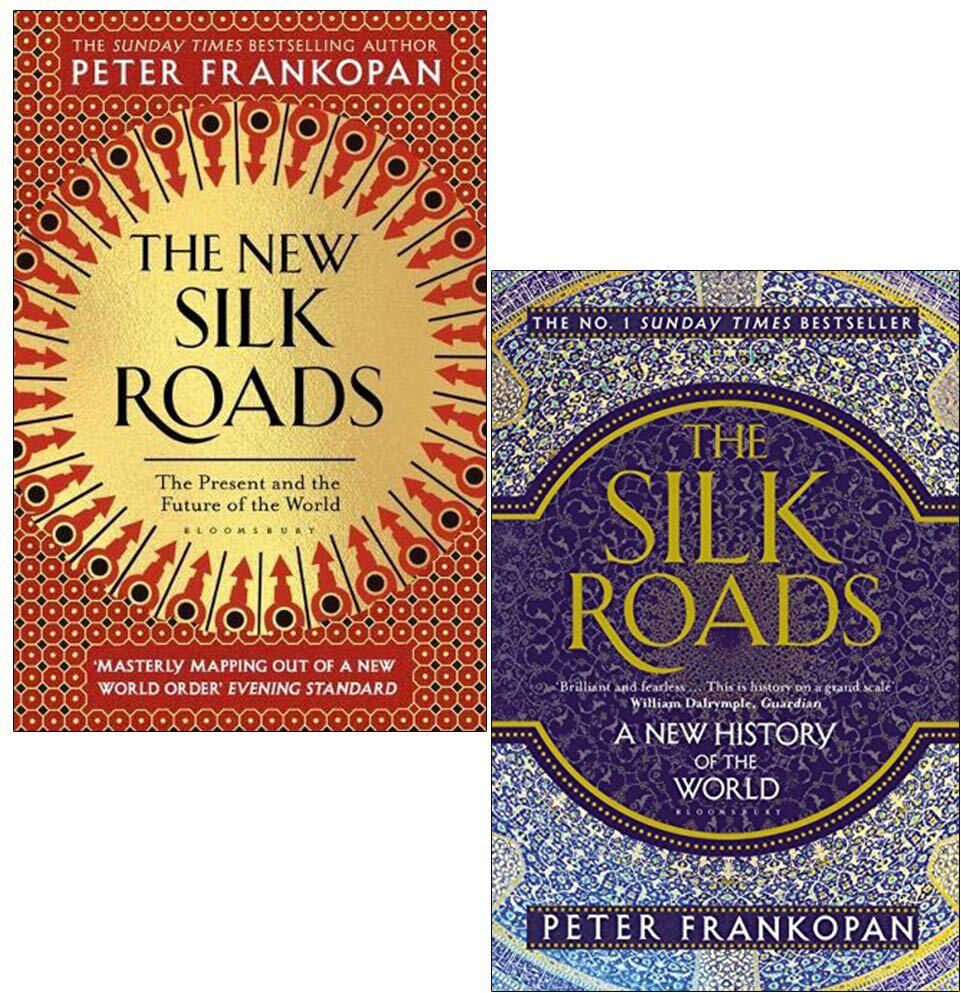
Bloomsbury Publishing The Silk Roads & The New Silk Roads 2 Book Set by Peter Frankopan – History & Global Politics CollectionThe New Silk Roads The Present and Future of the World The New Silk Roads takes a fresh look at the relationships being formed along the length and breadth of the ancient trade routes today. The world is changing dramatically and in an age of Brexit and Trump; the themes of isolation and fragmentation permeating the western world stand in sharp contrast to events along the Silk Roads; where ties are being strengthened and mutual cooperation established.This prescient contemporary history provides a timely reminder that we live in a world that is profoundly interconnected. The Silk Roads: A New History of the World For centuries; fame and fortune were to be found in the west in the New World of the Americas. Today; it is the east which calls out to those in search of riches and adventure. Sweeping right across Central Asia and deep into China and India; a region that once took centre stage is again rising to dominate global politics; commerce and culture.16,98 £*Shipping: 2,99 £Secure redirect to the provider


-
How was the principle of leadership established?
The principle of leadership was established through various historical events and societal structures. In early human societies, leadership emerged as a way to organize and coordinate group activities for survival. Over time, leaders were often individuals who demonstrated qualities such as courage, intelligence, and charisma, which inspired others to follow them. As societies became more complex, leadership roles became more formalized through systems of governance, laws, and hierarchies. Today, leadership is recognized as a crucial aspect of human society, with various theories and models developed to understand and improve leadership effectiveness. **
-
How was the principle of leadership justified?
The principle of leadership was justified by the belief that a strong and capable leader is necessary to guide and unite a group of people towards a common goal. It was argued that without a leader, there would be chaos and disorganization, and that a leader could provide direction, make decisions, and inspire others to work towards success. Additionally, the principle of leadership was often justified by the idea that certain individuals possess the qualities and skills necessary to lead effectively, and that their leadership would ultimately benefit the group as a whole. **
-
Where does the principle of leadership come from?
The principle of leadership can be traced back to ancient civilizations, where leaders emerged to guide and protect their communities. Throughout history, various philosophers and scholars have also explored the concept of leadership, contributing to the development of leadership theories and principles. Additionally, leadership principles can be influenced by cultural norms, values, and societal expectations. Overall, the principle of leadership is derived from a combination of historical examples, academic research, and cultural influences. **
-
What is the economic principle: the principle of minimum or the principle of maximum?
The principle of minimum and the principle of maximum are economic principles that relate to decision-making. The principle of minimum states that individuals or firms will seek to minimize their costs or inputs in order to achieve a certain level of output or outcome. On the other hand, the principle of maximum states that individuals or firms will seek to maximize their benefits or outputs given a certain level of inputs or costs. Both principles are important in guiding economic decision-making and resource allocation. **


What is the principle of the key-lock principle?
The key-lock principle is based on the idea that certain molecules or structures (keys) can fit into specific receptors or binding sites (locks) with high specificity and affinity. This principle is commonly used to describe the interaction between enzymes and their substrates, where the enzyme (lock) has a specific active site that perfectly fits the substrate (key), allowing for efficient catalysis. The key-lock principle highlights the importance of complementary shapes and chemical properties between molecules for effective interactions to occur. **
What is the ping-pong principle or the hourglass principle?
The ping-pong principle, also known as the hourglass principle, is a communication strategy where information is exchanged back and forth between two parties in a structured and concise manner. It involves each party taking turns to speak or provide input, similar to a game of ping-pong. This principle ensures that communication is balanced, effective, and allows for active listening and engagement from both parties. It helps to maintain a focused and productive conversation by preventing one party from dominating the discussion. **
Top-Angebote
Products related to Principle:
-
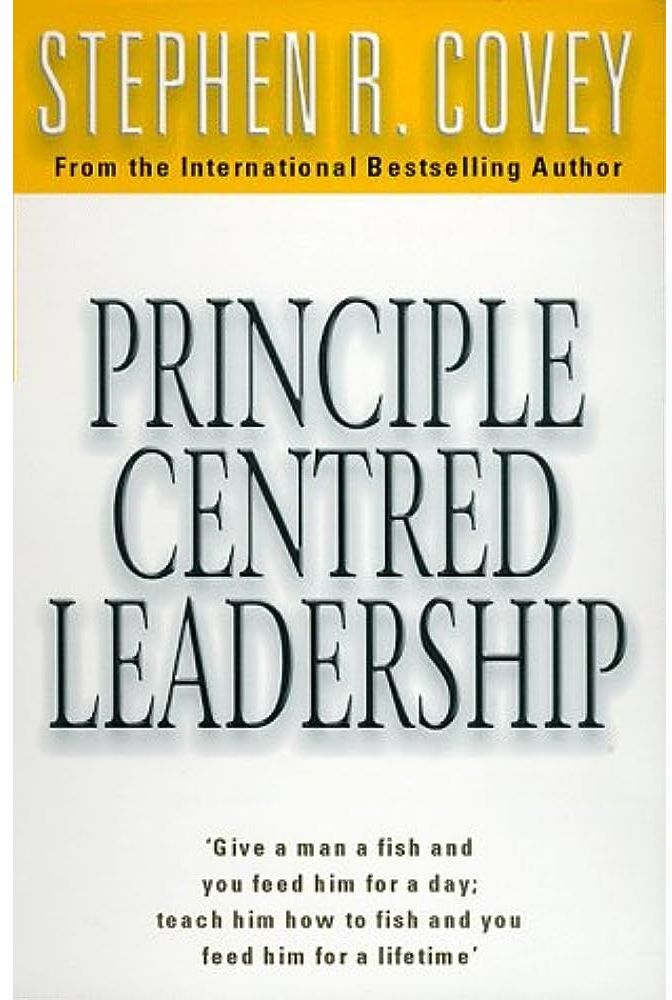
Simon & Schuster Principle Centred Leadership by Stephen R CoveyPRINCIPLE CENTRED LEADERSHIP will help solve these dilemmas - and many others:* how do we achieve a wise and renewing balance between work and family in the midst of constant pressures and crises?* how do we unleash the creativity, talent and energy of the vast majority of the work force, whose jobs neither require nor reward such resources?* how can we have a culture characterised by change, flexibility and continuous improvement and still maintain a sense of stability and security?* how do we create team spirit and harmony among people and departments that have been criticising and attacking each other for years?* how do we get people and culture aligned with strategy, so that everyone in an organisation is as committed to the strategy as those who formulated it?6,99 £*Shipping: 2,99 £Secure redirect to the provider
-
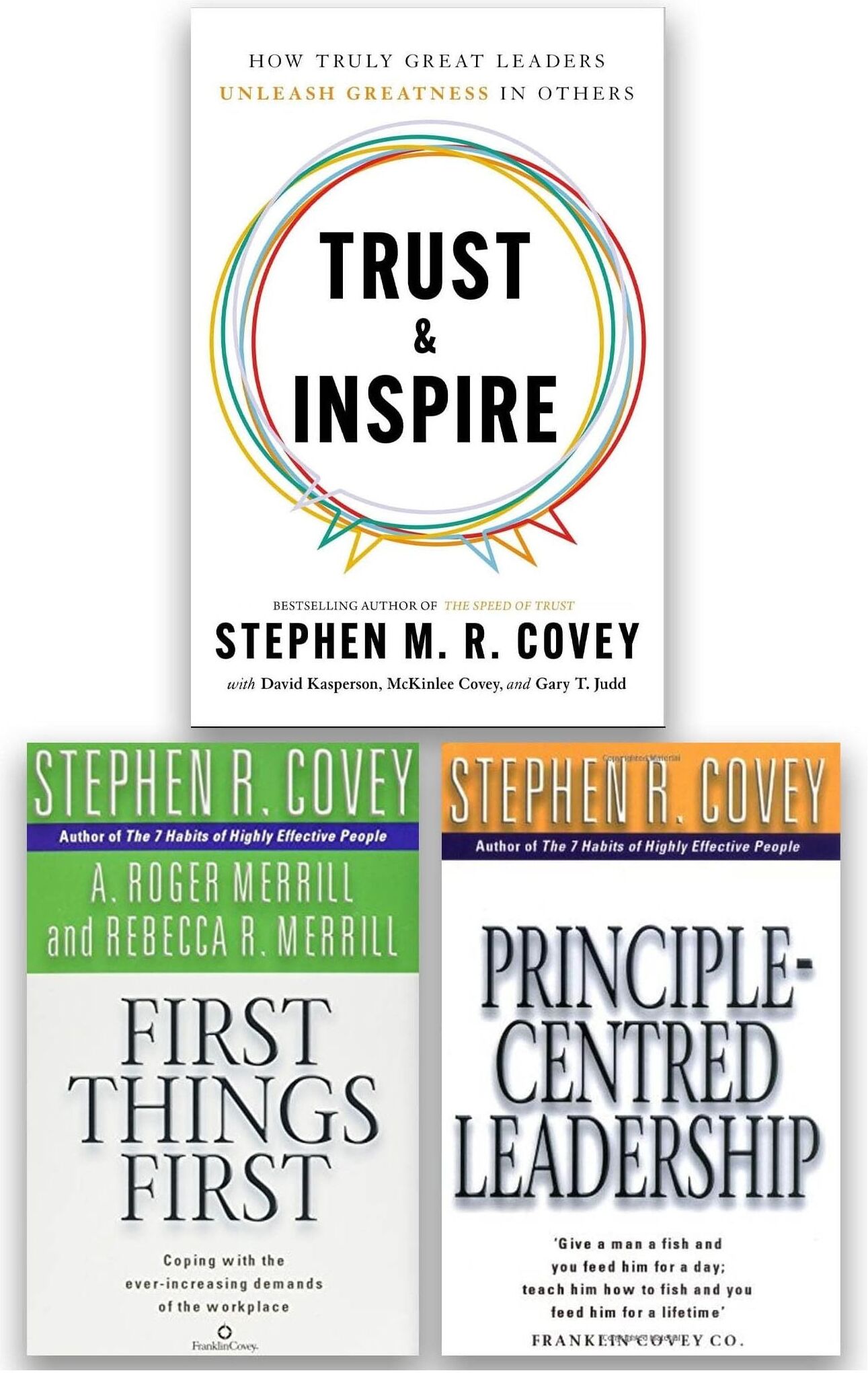
Simon & Schuster Stephen M. R. Covey 3 Books Collection Set (Trust and Inspire, First Things First and Principle Centered Leadership)Trust & Inspire Traditionally, businesses have relied on a“command and control” management style, focusing on rigid hierarchies andcompliance from employees. Covey argues we must shift from a “command andcontrol” to a “trust and inspire” leadership model. Trusting and inspiring yourteam is defined by commitment from both sides, with a focus on effectivenessand fostering a growth mindset. It is based on the belief that employees arecreative, collaborative, and full of potential; through trust, you can inspirethem to do their best work. First Things First I'm getting more done in less time, but where arethe rich relationships, the inner peace, the balance, the confidence that I'mdoing what matters most and doing it well? Does this nagging question haunt you, even whenyou feel you are being your most efficient? If so, First Things First can helpyou understand why we so often prioritize things that are unimportant to bothour larger goals and our inner happiness. Principle Centered Leadership PRINCIPLE CENTRED LEADERSHIP will help solve thesedilemmas - and many others:* how do we achieve a wise and renewing balancebetween work and family in the midst of constant pressures and crises?* how dowe unleash the creativity, talent and energy of the vast majority of the workforce, whose jobs neither require nor reward such resources?* how can we have aculture characterised by change, flexibility and continuous improvement andstill maintain a sense of stability and security?* how do we create team spiritand harmony among people and departments that have been criticising and attackingeach other for years?* how do we get people and culture aligned with strategy,so that everyone in an organisation is as committed to the strategy as thosewho formulated it?19,99 £*Shipping: 2,99 £Secure redirect to the provider
-
John Murray The 80/20 Principle : The Secret of Achieving More with Less: by Richard KochREAD THIS BOOK AND USE IT - TIM FERRISS Twenty years after its first publication, The 80/20 Principle is a global bestseller read by millions of highly effective people around the world. Now, it is more powerful and essential than ever. In the past, the principle gave those who used it a serious advantage.In the future, it will be the essential tool for anyone who wants to succeed. And it is powerful. Based on the counter-intuitive but widespread fact that 80% of results flow from 20% of causes, The 80/20 Principle shows how you can achieve much more with much less effort, time and resources, simply by concentrating on the all-important 20%.This major new edition includes four brand new chapters showing how to: Use the rise of networks to your advantage Benefit from more acute 90/10 and 99/1 forms of the principle Tap into your subconscious to exert a super-potent and amazingly favourable influence on your life Enjoy greater success with 5 mega rules to live by5,95 £*Shipping: 2,99 £Secure redirect to the provider
-
DK The Little Book Of Series 6 Books Collection Set (Economics, Politics, Shakespeare, Philosophy, Psychology, History)The Little Book Of Economics From the earliest forms of currency to the Industrial Revolution, and from the birth of the stock market to free-market capitalism and globalized trade, The Little Book of Economics brings economic theory and the work of key economists to life. Journeying through centuries of economic thought, it is the perfect pocket-sized guide to the subject. The Little Book Of Politics From the origins of democracy to Machiavelli's cunning statecraft, and from Rousseau's "social contract" to the American Declaration of Independence, Marxist communism, the dawn of populism, and identity politics, The Little Book of Politics examines the philosophies behind the different political beliefs and methods of government used around the world over the course of human history. The Little Book Of Shakespeare This bold book covers every work, from the comedies of Twelfth Night and As You Like It to the tragedies of Julius Caesar and Hamlet, plus lost plays and less well-known works of poetry. Easy-to-understand graphics and illustrations bring the themes, plots, characters and language of Shakespeare to life, including illustrated timelines which offer an at-a-glance summary of the action for each play. With detailed plot summaries and an in-depth analysis of the major characters and themes, this is a brilliant, innovative exploration of the entire canon of Shakespeare plays, sonnets and poetry. The Little Book Of Philosophy To the complete novice learning about philosophy can be daunting - The Little Book of Philosophy changes all that. With the use of powerful and easy-to-follow images, famous quotations, and explanations that are easily understandable, this book cuts through any misunderstandings to demystify the subject. The Little Book Of Psychology DK's The Little Book of Psychology answers all these questions and provides an insight into this fascinating field of science. Whether you are a student, an expert, a novice, or have a general interest in the human mind, this portable guide is the perfect choice to start exploring and understanding psychology. The Little Book Of History The Little Book of History charts world history from the dawn of civilisation to the modern culture we live in today. From the origins of homo-sapiens to the release of Nelson Mandela, from the French Revolution to the Space Race, The Little Book of History is a stunning exploration of the human timeline up to and including modern Islam, the world wide web, and the global financial crisis.14,99 £*Shipping: 2,99 £Secure redirect to the provider
-
What is the principle of leadership in history?
The principle of leadership in history is the idea that effective leaders possess certain qualities and traits that enable them to guide and inspire others towards a common goal. Throughout history, successful leaders have demonstrated characteristics such as vision, courage, integrity, and the ability to communicate effectively. They have also shown a willingness to take risks, make difficult decisions, and adapt to changing circumstances. Ultimately, the principle of leadership in history emphasizes the importance of inspiring and motivating others to achieve greatness. **
-
What is Hitler's leadership principle?
Hitler's leadership principle, as outlined in his book Mein Kampf, was based on the concept of the "Fuhrerprinzip" or the leader principle. This principle emphasized absolute obedience to the leader, who was seen as the ultimate authority and decision-maker. Hitler believed in a hierarchical structure with himself at the top, and expected unwavering loyalty and obedience from his subordinates. This authoritarian leadership style allowed Hitler to consolidate power and control within the Nazi party and the German state. **
-
How was the principle of leadership established?
The principle of leadership was established through various historical events and societal structures. In early human societies, leadership emerged as a way to organize and coordinate group activities for survival. Over time, leaders were often individuals who demonstrated qualities such as courage, intelligence, and charisma, which inspired others to follow them. As societies became more complex, leadership roles became more formalized through systems of governance, laws, and hierarchies. Today, leadership is recognized as a crucial aspect of human society, with various theories and models developed to understand and improve leadership effectiveness. **
-
How was the principle of leadership justified?
The principle of leadership was justified by the belief that a strong and capable leader is necessary to guide and unite a group of people towards a common goal. It was argued that without a leader, there would be chaos and disorganization, and that a leader could provide direction, make decisions, and inspire others to work towards success. Additionally, the principle of leadership was often justified by the idea that certain individuals possess the qualities and skills necessary to lead effectively, and that their leadership would ultimately benefit the group as a whole. **
Similar search terms for Principle
-
Nicholas Brealey Publishing The 80/20 Principle, Atomic Habits, How to Talk to Anyone Collection 3 Books Set by Richard Koch, James Clear, Leil LowndesThe 80/20 Principle The unspoken corollary to the 80/20 principle is that little of what you spend your time on actually counts. But by concentrating on those things that do, you can unlock the enormous potential of the magic 20 percent. Discover how to identify the few methods that will lead to great results, and use them alone. Avoid hard work. Don't push water uphill. Be very selective in what you do. Have a great life. Atomic Habits People think that when you want to change your life, you need to think big. But world-renowned habits expert James Clear has discovered another way. He knows that real change comes from the compound effect of hundreds of small decisions: doing two push-ups a day, waking up five minutes early, or holding a single short phone call. He calls them atomic habits. In this ground-breaking book, Clears reveals exactly how these minuscule changes can grow into such life-altering outcomes. How to Talk to Anyone Never be at a loss for words again! Perfect your people skills with his fun, witty and informative guide, containing 92 little tricks to create big success in personal and business relationships. In How To Talk To Anyone, bestselling relationships author and internationally renowned life coach Leil Lowndes reveals the secrets and psychology behind successful communication16,50 £*Shipping: 2,99 £Secure redirect to the provider
-
Bloomsbury Publishing The Silk Roads & The New Silk Roads 2 Book Set by Peter Frankopan – History & Global Politics CollectionThe New Silk Roads The Present and Future of the World The New Silk Roads takes a fresh look at the relationships being formed along the length and breadth of the ancient trade routes today. The world is changing dramatically and in an age of Brexit and Trump; the themes of isolation and fragmentation permeating the western world stand in sharp contrast to events along the Silk Roads; where ties are being strengthened and mutual cooperation established.This prescient contemporary history provides a timely reminder that we live in a world that is profoundly interconnected. The Silk Roads: A New History of the World For centuries; fame and fortune were to be found in the west in the New World of the Americas. Today; it is the east which calls out to those in search of riches and adventure. Sweeping right across Central Asia and deep into China and India; a region that once took centre stage is again rising to dominate global politics; commerce and culture.16,98 £*Shipping: 2,99 £Secure redirect to the provider
-
AUTODESK CIVIL 3D 2025AUTODESK CIVIL 3D LICENSE Original and guaranteed by Nextdigitalkey.com Civil 3D ® design software empowers civil engineers to realize tomorrow’s infrastructure, today. Work with a model-based environment for better design decisions and project quality. civil 3D Streamline documentation with a design-driven approach to plans production. Harness the power of BIM (Building Information Modeling) for greater design coordination and project collaboration. What’s new in Civil 3D 2023: Grading Optimization Help Center Pressure networks keyword search Corridor solid property set and targeting Rail switch and crossing enhancements Project Explorer table, report, and object comparison License Complete with all Autodesk Civil 3D functionalities. LANGUAGE: MULTI-LANGUAGE NUMBER OF DEVICES: 1 OPERATING SYSTEM: WINDOWS 10 / WINDOWS 11 LICENSE DURATION: PERPETUAL (No expiry) WHAT DO I RECEIVE WHEN I PURCHASE? By purchasing this product, you will receive the digital software to download and install, the product key for activation, and all instructions for a proper installation. DO I DOWNLOAD THE PRODUCT FROM THE OFFICIAL WEBSITE? Certainly, the product download takes place from the official website, no external links are used, only official links. HOW DO LICENSES HAVE A LOW PRICE? they are used and disused retail licenses from the previous owner in accordance with ECJ C-128/2011 ruling, it is possible to purchase them from us at the best price on the market. Our licenses are digitally delivered via email within a few minutes of payment, they are digital ESD licenses, and all product keys are original and can be reinstalled on the same device. ARE YOU AFRAID YOU WON'T BE ABLE TO INSTALL IT? No problem! We provide direct assistance with remote support available to you 24/7, even on holidays. For system requirements, click HERE.69,95 £*Shipping: 0,00 £Secure redirect to the provider
-
Where does the principle of leadership come from?
The principle of leadership can be traced back to ancient civilizations, where leaders emerged to guide and protect their communities. Throughout history, various philosophers and scholars have also explored the concept of leadership, contributing to the development of leadership theories and principles. Additionally, leadership principles can be influenced by cultural norms, values, and societal expectations. Overall, the principle of leadership is derived from a combination of historical examples, academic research, and cultural influences. **
-
What is the economic principle: the principle of minimum or the principle of maximum?
The principle of minimum and the principle of maximum are economic principles that relate to decision-making. The principle of minimum states that individuals or firms will seek to minimize their costs or inputs in order to achieve a certain level of output or outcome. On the other hand, the principle of maximum states that individuals or firms will seek to maximize their benefits or outputs given a certain level of inputs or costs. Both principles are important in guiding economic decision-making and resource allocation. **
-
What is the principle of the key-lock principle?
The key-lock principle is based on the idea that certain molecules or structures (keys) can fit into specific receptors or binding sites (locks) with high specificity and affinity. This principle is commonly used to describe the interaction between enzymes and their substrates, where the enzyme (lock) has a specific active site that perfectly fits the substrate (key), allowing for efficient catalysis. The key-lock principle highlights the importance of complementary shapes and chemical properties between molecules for effective interactions to occur. **
-
What is the ping-pong principle or the hourglass principle?
The ping-pong principle, also known as the hourglass principle, is a communication strategy where information is exchanged back and forth between two parties in a structured and concise manner. It involves each party taking turns to speak or provide input, similar to a game of ping-pong. This principle ensures that communication is balanced, effective, and allows for active listening and engagement from both parties. It helps to maintain a focused and productive conversation by preventing one party from dominating the discussion. **
* All prices are inclusive of VAT and, if applicable, plus shipping costs. The offer information is based on the details provided by the respective shop and is updated through automated processes. Real-time updates do not occur, so deviations can occur in individual cases. ** Note: Parts of this content were created by AI.