Buy lincolnclub.eu ?
We are moving the project
lincolnclub.eu .
Are you interested in purchasing the domain
lincolnclub.eu ?
domain@kv-gmbh.de · 0541-91531010
Buy lincolnclub.eu ?
Is the existing glaze water-based or solvent-based?
The existing glaze is water-based. This can be determined by checking the product label or Material Safety Data Sheet (MSDS) for the glaze, which should specify whether it is water-based or solvent-based. Additionally, water-based glazes are typically easier to clean up with water and have a milder odor compared to solvent-based glazes. **
Is the existing stain water-based or solvent-based?
To determine if the existing stain is water-based or solvent-based, you can perform a simple test. Apply a small amount of water to the stained surface and rub it gently. If the stain starts to dissolve or smudge, it is likely water-based. If the stain remains intact, it is probably solvent-based. Additionally, you can check the product label or manufacturer's instructions for information on the type of stain used. **


Similar search terms for Solvent-based
Top-Angebote
Products related to Solvent-based:

-
Can you use solvent-based paint over water-based primer?
Yes, you can use solvent-based paint over water-based primer. However, it is important to ensure that the water-based primer has fully dried before applying the solvent-based paint. Additionally, it is recommended to lightly sand the primer before applying the solvent-based paint to ensure proper adhesion. Always follow the manufacturer's recommendations for compatibility between different types of paint and primer. **
-
Should aluminum be painted with water-based or solvent-based paint?
Aluminum can be painted with both water-based and solvent-based paints, but the choice depends on the specific application and environmental considerations. Water-based paints are more environmentally friendly and have lower levels of volatile organic compounds (VOCs), making them a better choice for indoor applications or areas with strict environmental regulations. On the other hand, solvent-based paints may provide better adhesion and durability, making them suitable for outdoor applications or areas with high exposure to harsh conditions. Ultimately, the decision should be based on the specific requirements of the project and the environmental impact of the chosen paint. **
-
What is the difference between a water-based wood primer and a solvent-based wood stain?
A water-based wood primer is used to seal the wood surface, provide adhesion for the topcoat, and prevent the wood from absorbing too much paint. It is typically used before painting to create a smooth and even surface. On the other hand, a solvent-based wood stain is used to add color to the wood while still allowing the natural grain to show through. It penetrates the wood to provide a durable finish that enhances the appearance of the wood. The main difference is that a primer prepares the surface for painting, while a stain adds color and protection to the wood itself. **
-
Is ethanol a universal solvent?
Ethanol is not considered a universal solvent because it cannot dissolve all substances. While ethanol is a good solvent for many organic compounds, it may not dissolve certain inorganic substances or nonpolar molecules. Water is often considered a universal solvent because it can dissolve a wide range of substances due to its polar nature. Ethanol's solvent properties are limited to certain types of compounds, making it not universally effective for dissolving all substances. **

What is the strongest solvent?
The strongest solvent is typically considered to be sulfuric acid. It is a highly corrosive and powerful acid that can dissolve a wide range of materials, including metals, organic compounds, and even some plastics. Sulfuric acid is commonly used in industrial processes, laboratory settings, and chemical manufacturing due to its ability to dissolve a variety of substances. However, it is important to handle sulfuric acid with extreme caution due to its highly corrosive nature. **
What is a hard solvent?
A hard solvent is a type of solvent that has a high solvency power and is capable of dissolving a wide range of substances, including oils, greases, and waxes. These solvents are often used in industrial cleaning applications, such as degreasing metal parts or removing tough stains. Hard solvents are typically more aggressive and can pose health and environmental risks, so they should be handled with care and used in well-ventilated areas. Examples of hard solvents include mineral spirits, acetone, and methyl ethyl ketone. **
Top-Angebote
Products related to Solvent-based:
-
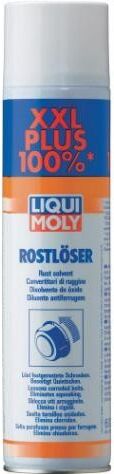
PRESTO 157233 Rust SolventOperating temperature from [°C]: 5; Operating temperature to [°C]: 30; Container Type: aerosol; Capacity [ml]: 400; Height: 201; Width [mm]: 69; Depth [mm]: 69; Weight [kg]: 0,346; Observe service information: ; Liquid:5,99 £*Shipping: 8,45 £Secure redirect to the provider
-
Is the existing glaze water-based or solvent-based?
The existing glaze is water-based. This can be determined by checking the product label or Material Safety Data Sheet (MSDS) for the glaze, which should specify whether it is water-based or solvent-based. Additionally, water-based glazes are typically easier to clean up with water and have a milder odor compared to solvent-based glazes. **
-
Is the existing stain water-based or solvent-based?
To determine if the existing stain is water-based or solvent-based, you can perform a simple test. Apply a small amount of water to the stained surface and rub it gently. If the stain starts to dissolve or smudge, it is likely water-based. If the stain remains intact, it is probably solvent-based. Additionally, you can check the product label or manufacturer's instructions for information on the type of stain used. **
-
Can you use solvent-based paint over water-based primer?
Yes, you can use solvent-based paint over water-based primer. However, it is important to ensure that the water-based primer has fully dried before applying the solvent-based paint. Additionally, it is recommended to lightly sand the primer before applying the solvent-based paint to ensure proper adhesion. Always follow the manufacturer's recommendations for compatibility between different types of paint and primer. **
-
Should aluminum be painted with water-based or solvent-based paint?
Aluminum can be painted with both water-based and solvent-based paints, but the choice depends on the specific application and environmental considerations. Water-based paints are more environmentally friendly and have lower levels of volatile organic compounds (VOCs), making them a better choice for indoor applications or areas with strict environmental regulations. On the other hand, solvent-based paints may provide better adhesion and durability, making them suitable for outdoor applications or areas with high exposure to harsh conditions. Ultimately, the decision should be based on the specific requirements of the project and the environmental impact of the chosen paint. **
Similar search terms for Solvent-based
-
DK The Little Book Of Series 6 Books Collection Set (Economics, Politics, Shakespeare, Philosophy, Psychology, History)The Little Book Of Economics From the earliest forms of currency to the Industrial Revolution, and from the birth of the stock market to free-market capitalism and globalized trade, The Little Book of Economics brings economic theory and the work of key economists to life. Journeying through centuries of economic thought, it is the perfect pocket-sized guide to the subject. The Little Book Of Politics From the origins of democracy to Machiavelli's cunning statecraft, and from Rousseau's "social contract" to the American Declaration of Independence, Marxist communism, the dawn of populism, and identity politics, The Little Book of Politics examines the philosophies behind the different political beliefs and methods of government used around the world over the course of human history. The Little Book Of Shakespeare This bold book covers every work, from the comedies of Twelfth Night and As You Like It to the tragedies of Julius Caesar and Hamlet, plus lost plays and less well-known works of poetry. Easy-to-understand graphics and illustrations bring the themes, plots, characters and language of Shakespeare to life, including illustrated timelines which offer an at-a-glance summary of the action for each play. With detailed plot summaries and an in-depth analysis of the major characters and themes, this is a brilliant, innovative exploration of the entire canon of Shakespeare plays, sonnets and poetry. The Little Book Of Philosophy To the complete novice learning about philosophy can be daunting - The Little Book of Philosophy changes all that. With the use of powerful and easy-to-follow images, famous quotations, and explanations that are easily understandable, this book cuts through any misunderstandings to demystify the subject. The Little Book Of Psychology DK's The Little Book of Psychology answers all these questions and provides an insight into this fascinating field of science. Whether you are a student, an expert, a novice, or have a general interest in the human mind, this portable guide is the perfect choice to start exploring and understanding psychology. The Little Book Of History The Little Book of History charts world history from the dawn of civilisation to the modern culture we live in today. From the origins of homo-sapiens to the release of Nelson Mandela, from the French Revolution to the Space Race, The Little Book of History is a stunning exploration of the human timeline up to and including modern Islam, the world wide web, and the global financial crisis.14,99 £*Shipping: 2,99 £Secure redirect to the provider
-
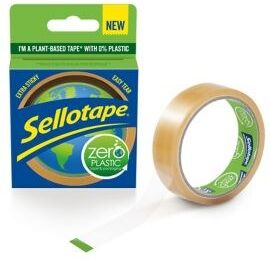
Zero Plastic Plant Based Sellotape 24mm X 30mSellotape Zero Plastic Plant Based Tape is the eco-conscious solution for all your sticking and wrapping needs. This 24mm x 30m roll is strong, sticky, and incredibly easy to use, tearing cleanly by hand without scissors. Perfect for gift wrapping, arts and crafts, and general home office use, it fits standard large core dispensers for added convenience. Most importantly, this is a truly sustainable choice. The tape and its packaging are 100% biodegradable and compostable. It's crafted from cellulose film and a naturally based glue, with all wood pulp sourced from PEFC certified sustainable forests. After use, simply dispose of it with your regular recycling. Make the responsible switch to a high-performance tape that cares for the planet.13,49 £*Shipping: 0,00 £Secure redirect to the provider
-
What is the difference between a water-based wood primer and a solvent-based wood stain?
A water-based wood primer is used to seal the wood surface, provide adhesion for the topcoat, and prevent the wood from absorbing too much paint. It is typically used before painting to create a smooth and even surface. On the other hand, a solvent-based wood stain is used to add color to the wood while still allowing the natural grain to show through. It penetrates the wood to provide a durable finish that enhances the appearance of the wood. The main difference is that a primer prepares the surface for painting, while a stain adds color and protection to the wood itself. **
-
Is ethanol a universal solvent?
Ethanol is not considered a universal solvent because it cannot dissolve all substances. While ethanol is a good solvent for many organic compounds, it may not dissolve certain inorganic substances or nonpolar molecules. Water is often considered a universal solvent because it can dissolve a wide range of substances due to its polar nature. Ethanol's solvent properties are limited to certain types of compounds, making it not universally effective for dissolving all substances. **
-
What is the strongest solvent?
The strongest solvent is typically considered to be sulfuric acid. It is a highly corrosive and powerful acid that can dissolve a wide range of materials, including metals, organic compounds, and even some plastics. Sulfuric acid is commonly used in industrial processes, laboratory settings, and chemical manufacturing due to its ability to dissolve a variety of substances. However, it is important to handle sulfuric acid with extreme caution due to its highly corrosive nature. **
-
What is a hard solvent?
A hard solvent is a type of solvent that has a high solvency power and is capable of dissolving a wide range of substances, including oils, greases, and waxes. These solvents are often used in industrial cleaning applications, such as degreasing metal parts or removing tough stains. Hard solvents are typically more aggressive and can pose health and environmental risks, so they should be handled with care and used in well-ventilated areas. Examples of hard solvents include mineral spirits, acetone, and methyl ethyl ketone. **
* All prices are inclusive of VAT and, if applicable, plus shipping costs. The offer information is based on the details provided by the respective shop and is updated through automated processes. Real-time updates do not occur, so deviations can occur in individual cases. ** Note: Parts of this content were created by AI.