Buy lincolnclub.eu ?
We are moving the project
lincolnclub.eu .
Are you interested in purchasing the domain
lincolnclub.eu ?
domain@kv-gmbh.de · 0541-91531010
Buy lincolnclub.eu ?
What is the principle of leadership in history?
The principle of leadership in history is the idea that effective leaders possess certain qualities and traits that enable them to guide and inspire others towards a common goal. Throughout history, successful leaders have demonstrated characteristics such as vision, courage, integrity, and the ability to communicate effectively. They have also shown a willingness to take risks, make difficult decisions, and adapt to changing circumstances. Ultimately, the principle of leadership in history emphasizes the importance of inspiring and motivating others to achieve greatness. **
What does better leadership achieve?
Better leadership can achieve improved team morale, increased productivity, and enhanced collaboration among team members. Effective leaders can inspire and motivate their team to work towards common goals, resulting in higher levels of engagement and job satisfaction. Additionally, strong leadership can lead to better decision-making, problem-solving, and overall organizational success. **

Similar search terms for SAGE-Publications-Leadership
Top-Angebote
Products related to SAGE-Publications-Leadership:
-
Piatkus Fierce Leadership By Susan Scott Fierce ConversationsFierce Leadership By Susan Scott Fierce Conversations For years, these mantras have been blindly adopted by business leaders everywhere but, as Susan Scott shows, these so-called best practices are ineffectual, cost companies vast sums and drive away the most valuable employees and customers. Yet they are so deeply ingrained in our organisational culture that no one has questioned them, until now. Informed by over a decade of research and work with CEOs and senior executives of the world's leading companies, Susan Scott reveals why these established practices are so wrongheaded and shows you how to spot the signs that you are falling prey to them and why they are adversely affecting your business. She then, in her direct, no-nonsense style, suggests a series of surprising and smart alternatives that you should put in their place.1,99 £*Shipping: 1,99 £Secure redirect to the provider
-
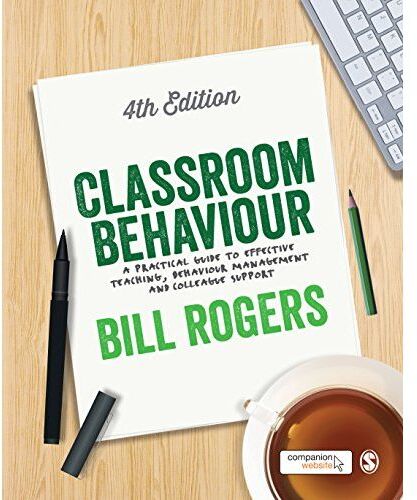
SAGE Publications Classroom Behaviour by Bill RogersThis exciting new edition of the best-selling and beloved teacher's companion looks at the everyday behaviour issues facing teachers working in today's classrooms. Describing real situations and dilemmas, Bill Rogers provides theoretically sound strategies and best practices to support you in meeting the challenges of the job, as well as building up a rapport with both students and colleagues to enable positive and productive learning environments. Written jargon-free in Bill's accessible and empathetic voice it includes in-depth strategies, practical examples, case studies and pragmatic hints and tips to put in to practice. This will make for informative and inspiring reading to all those involved in educating our children and young people. The new edition has been revised and updated and now also includes access to an interactive website packed with a host of extra material to take you further. Videos of Bill demonstrating his behaviour strategies in real classroom settings Podcasts where Bill explains his ideas and ethos in more detail as well as answering teachers' FAQs Extra reading material for even more support on difficult subjects Behaviour Management Tool Templates to use with students in the everyday classroom Role-play scenario cards to help understand and prepare for challenging situations "We often think of behaviour management in terms of dealing with challenging behaviour, but Dr Rogers begins by looking at classroom organisation and whole-class strategies. Alongside the theory, he provides examples that create a much deeper understanding of exactly what works and what doesn’t." - Special magazine24,99 £*Shipping: 2,99 £Secure redirect to the provider
-
SAGE Publications Thematic Analysis: A Practical GuideDeveloped and adapted by the authors of this book, thematic analysis (TA) is one of the most popular qualitative data analytic techniques in psychology and the social and health sciences. Building on the success of Braun & Clarke′s 2006 paper first outlining their approach - which has over 100,000 citations on Google Scholar - this book is the definitive guide to TA, covering:- Contextualisation of TA- Developing themes- Writing TA reports- Reflexive TAIt addresses the common questions surrounding TA as well as developments in the field, offering a highly accessible and practical discussion of doing TA situated within a clear understanding of the wider terrain of qualitative research.Virginia Braun is a Professor in the School of Psychology at The University of Auckland, Aotearoa New Zealand.Victoria Clarke is an Associate Professor in Qualitative and Critical Psychology in the Department of Social Sciences at the University of the West of England (UWE), Bristol.35,49 £*Shipping: 0,00 £Secure redirect to the provider
-
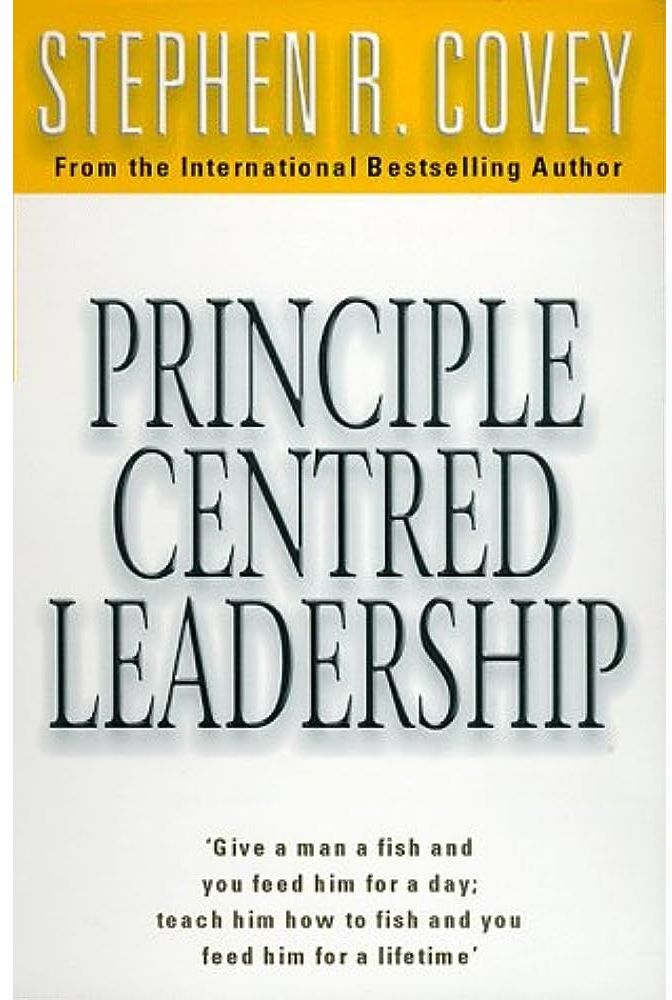
Simon & Schuster Principle Centred Leadership by Stephen R CoveyPRINCIPLE CENTRED LEADERSHIP will help solve these dilemmas - and many others:* how do we achieve a wise and renewing balance between work and family in the midst of constant pressures and crises?* how do we unleash the creativity, talent and energy of the vast majority of the work force, whose jobs neither require nor reward such resources?* how can we have a culture characterised by change, flexibility and continuous improvement and still maintain a sense of stability and security?* how do we create team spirit and harmony among people and departments that have been criticising and attacking each other for years?* how do we get people and culture aligned with strategy, so that everyone in an organisation is as committed to the strategy as those who formulated it?6,99 £*Shipping: 2,99 £Secure redirect to the provider


-
Is such a leadership good?
Such a leadership style can be effective in certain situations, such as during times of crisis or when quick decisions need to be made. However, it can also lead to a lack of input from team members, decreased morale, and a lack of creativity and innovation. In the long run, a more collaborative and inclusive leadership approach may be more beneficial for fostering a positive work environment and achieving sustainable success. **
-
What does price leadership mean?
Price leadership refers to a situation in which a dominant firm in an industry sets the price for its products or services, and other firms in the market follow suit. This dominant firm has significant market power and influence, allowing it to effectively control pricing decisions within the industry. Price leadership can help stabilize prices in the market and reduce price competition among firms, ultimately leading to a more predictable and orderly market environment. **
-
What is Hitler's leadership principle?
Hitler's leadership principle, as outlined in his book Mein Kampf, was based on the concept of the "Fuhrerprinzip" or the leader principle. This principle emphasized absolute obedience to the leader, who was seen as the ultimate authority and decision-maker. Hitler believed in a hierarchical structure with himself at the top, and expected unwavering loyalty and obedience from his subordinates. This authoritarian leadership style allowed Hitler to consolidate power and control within the Nazi party and the German state. **
-
Why is good leadership important?
Good leadership is important because it sets the direction, motivates employees, and helps achieve organizational goals. Effective leaders inspire and empower their team members, fostering a positive work environment and encouraging collaboration. Strong leadership also promotes innovation, problem-solving, and adaptability, which are essential for navigating challenges and driving success in today's dynamic business landscape. Ultimately, good leadership is crucial for building a cohesive and high-performing team that can achieve sustainable growth and long-term success. **

What is the leadership sector?
The leadership sector refers to the field of study and practice that focuses on developing effective leadership skills and strategies. This sector encompasses various industries and organizations, including business, government, non-profit, and education, where leadership is essential for driving success and achieving goals. Professionals in the leadership sector may work as consultants, coaches, trainers, or in leadership roles within their respective organizations, helping to cultivate strong and impactful leaders. The leadership sector is dedicated to understanding and promoting the qualities and behaviors that make great leaders and fostering environments where leadership can thrive. **
Should civil servants be excluded from leadership positions in disaster management?
No, civil servants should not be excluded from leadership positions in disaster management. Civil servants often have the necessary expertise, experience, and knowledge of government systems to effectively lead disaster management efforts. Their understanding of bureaucratic processes, resource allocation, and interagency coordination can be crucial in effectively responding to and managing disasters. Additionally, civil servants are often dedicated public servants who have a deep commitment to serving their communities, making them well-suited for leadership roles in disaster management. Excluding them from such positions could limit the effectiveness of disaster response efforts. **
Top-Angebote
Products related to SAGE-Publications-Leadership:
-
SAGE Publications Leadership - International Student Edition: Theory and PracticeThe market-leading Leadership: Theory and Practice by Peter G. Northouse presents an academically robust account of the major theories and models of leadership with a focus on how theory can inform practice. Case studies and questionnaires provide students with practical examples and opportunities to deepen their understanding of their own leadership style.The fully updated Ninth Edition features a new chapter on inclusive leadership, 17 new real-world cases that profile leaders from across the globe, a new discussion on leadership and morality, and examples of timely issues such as leadership during the COVID-19 pandemic. Key features include: A consistent chapter structure that outlines each approach and the major studies behind them, presents strengths and criticisms for each approach, and provides case studies and a self-assessment questionnaire at the end of each chapter, allowing students to easily compare and contrast the various theories. Three case studies in each chapter help students to apply leadership concepts in real-world scenarios. Self-assessments within each chapter provides self-assessment and reflection opportunities for each theory presented.45,49 £*Shipping: 0,00 £Secure redirect to the provider
-
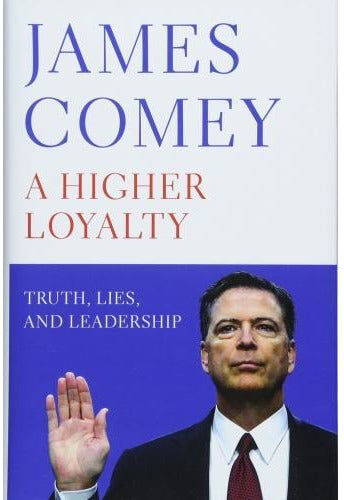
MACMILLAN A Higher Loyalty - Truth Lies And LeadershipA Higher Loyalty: Truth, Lies, and Leadership In his Number One bestselling memoir, former FBI director James Comey shares his never-before-told experiences from some of the highest-stakes situations of his career in the past two decades of American government, exploring what good, ethical leadership looks like, and how it drives sound decisions. His journey provides an unprecedented entry into the corridors of power, and a remarkable lesson in what makes an effective leader. Mr. Comey served as director of the FBI from 2013 to 2017, appointed to the post by President Barack Obama. He previously served as U.S. attorney for the Southern District of New York, and the U.S. deputy attorney general in the administration of President George W. Bush. From prosecuting the Mafia and Martha Stewart to helping change the Bush administration's policies on torture and electronic surveillance, overseeing the Hillary Clinton e-mail investigation as well as ties between the Trump campaign and Russia, Comey has been involved in some of the most consequential cases and policies of recent history.5,99 £*Shipping: 2,99 £Secure redirect to the provider
-
Piatkus Fierce Leadership By Susan Scott Fierce ConversationsFierce Leadership By Susan Scott Fierce Conversations For years, these mantras have been blindly adopted by business leaders everywhere but, as Susan Scott shows, these so-called best practices are ineffectual, cost companies vast sums and drive away the most valuable employees and customers. Yet they are so deeply ingrained in our organisational culture that no one has questioned them, until now. Informed by over a decade of research and work with CEOs and senior executives of the world's leading companies, Susan Scott reveals why these established practices are so wrongheaded and shows you how to spot the signs that you are falling prey to them and why they are adversely affecting your business. She then, in her direct, no-nonsense style, suggests a series of surprising and smart alternatives that you should put in their place.1,99 £*Shipping: 1,99 £Secure redirect to the provider
-
SAGE Publications Classroom Behaviour by Bill RogersThis exciting new edition of the best-selling and beloved teacher's companion looks at the everyday behaviour issues facing teachers working in today's classrooms. Describing real situations and dilemmas, Bill Rogers provides theoretically sound strategies and best practices to support you in meeting the challenges of the job, as well as building up a rapport with both students and colleagues to enable positive and productive learning environments. Written jargon-free in Bill's accessible and empathetic voice it includes in-depth strategies, practical examples, case studies and pragmatic hints and tips to put in to practice. This will make for informative and inspiring reading to all those involved in educating our children and young people. The new edition has been revised and updated and now also includes access to an interactive website packed with a host of extra material to take you further. Videos of Bill demonstrating his behaviour strategies in real classroom settings Podcasts where Bill explains his ideas and ethos in more detail as well as answering teachers' FAQs Extra reading material for even more support on difficult subjects Behaviour Management Tool Templates to use with students in the everyday classroom Role-play scenario cards to help understand and prepare for challenging situations "We often think of behaviour management in terms of dealing with challenging behaviour, but Dr Rogers begins by looking at classroom organisation and whole-class strategies. Alongside the theory, he provides examples that create a much deeper understanding of exactly what works and what doesn’t." - Special magazine24,99 £*Shipping: 2,99 £Secure redirect to the provider
-
What is the principle of leadership in history?
The principle of leadership in history is the idea that effective leaders possess certain qualities and traits that enable them to guide and inspire others towards a common goal. Throughout history, successful leaders have demonstrated characteristics such as vision, courage, integrity, and the ability to communicate effectively. They have also shown a willingness to take risks, make difficult decisions, and adapt to changing circumstances. Ultimately, the principle of leadership in history emphasizes the importance of inspiring and motivating others to achieve greatness. **
-
What does better leadership achieve?
Better leadership can achieve improved team morale, increased productivity, and enhanced collaboration among team members. Effective leaders can inspire and motivate their team to work towards common goals, resulting in higher levels of engagement and job satisfaction. Additionally, strong leadership can lead to better decision-making, problem-solving, and overall organizational success. **
-
Is such a leadership good?
Such a leadership style can be effective in certain situations, such as during times of crisis or when quick decisions need to be made. However, it can also lead to a lack of input from team members, decreased morale, and a lack of creativity and innovation. In the long run, a more collaborative and inclusive leadership approach may be more beneficial for fostering a positive work environment and achieving sustainable success. **
-
What does price leadership mean?
Price leadership refers to a situation in which a dominant firm in an industry sets the price for its products or services, and other firms in the market follow suit. This dominant firm has significant market power and influence, allowing it to effectively control pricing decisions within the industry. Price leadership can help stabilize prices in the market and reduce price competition among firms, ultimately leading to a more predictable and orderly market environment. **
Similar search terms for SAGE-Publications-Leadership
-
SAGE Publications Thematic Analysis: A Practical GuideDeveloped and adapted by the authors of this book, thematic analysis (TA) is one of the most popular qualitative data analytic techniques in psychology and the social and health sciences. Building on the success of Braun & Clarke′s 2006 paper first outlining their approach - which has over 100,000 citations on Google Scholar - this book is the definitive guide to TA, covering:- Contextualisation of TA- Developing themes- Writing TA reports- Reflexive TAIt addresses the common questions surrounding TA as well as developments in the field, offering a highly accessible and practical discussion of doing TA situated within a clear understanding of the wider terrain of qualitative research.Virginia Braun is a Professor in the School of Psychology at The University of Auckland, Aotearoa New Zealand.Victoria Clarke is an Associate Professor in Qualitative and Critical Psychology in the Department of Social Sciences at the University of the West of England (UWE), Bristol.35,49 £*Shipping: 0,00 £Secure redirect to the provider
-
Simon & Schuster Principle Centred Leadership by Stephen R CoveyPRINCIPLE CENTRED LEADERSHIP will help solve these dilemmas - and many others:* how do we achieve a wise and renewing balance between work and family in the midst of constant pressures and crises?* how do we unleash the creativity, talent and energy of the vast majority of the work force, whose jobs neither require nor reward such resources?* how can we have a culture characterised by change, flexibility and continuous improvement and still maintain a sense of stability and security?* how do we create team spirit and harmony among people and departments that have been criticising and attacking each other for years?* how do we get people and culture aligned with strategy, so that everyone in an organisation is as committed to the strategy as those who formulated it?6,99 £*Shipping: 2,99 £Secure redirect to the provider
-
SAGE Publications Understanding and Using Challenging Educational TheoriesIntroducing you to 18 key educational thinkers who have offered challenging perspectives on education, this new edition comes with:- 3 new chapters on Ivan Illich, Loris Malaguzzi and Michael Apple- A glossary of key words related to each theorist’s work- A context-setting overview of key themes- Practical examples that shows how theories can be applied to your practice17,49 £*Shipping: 2,99 £Secure redirect to the provider
-
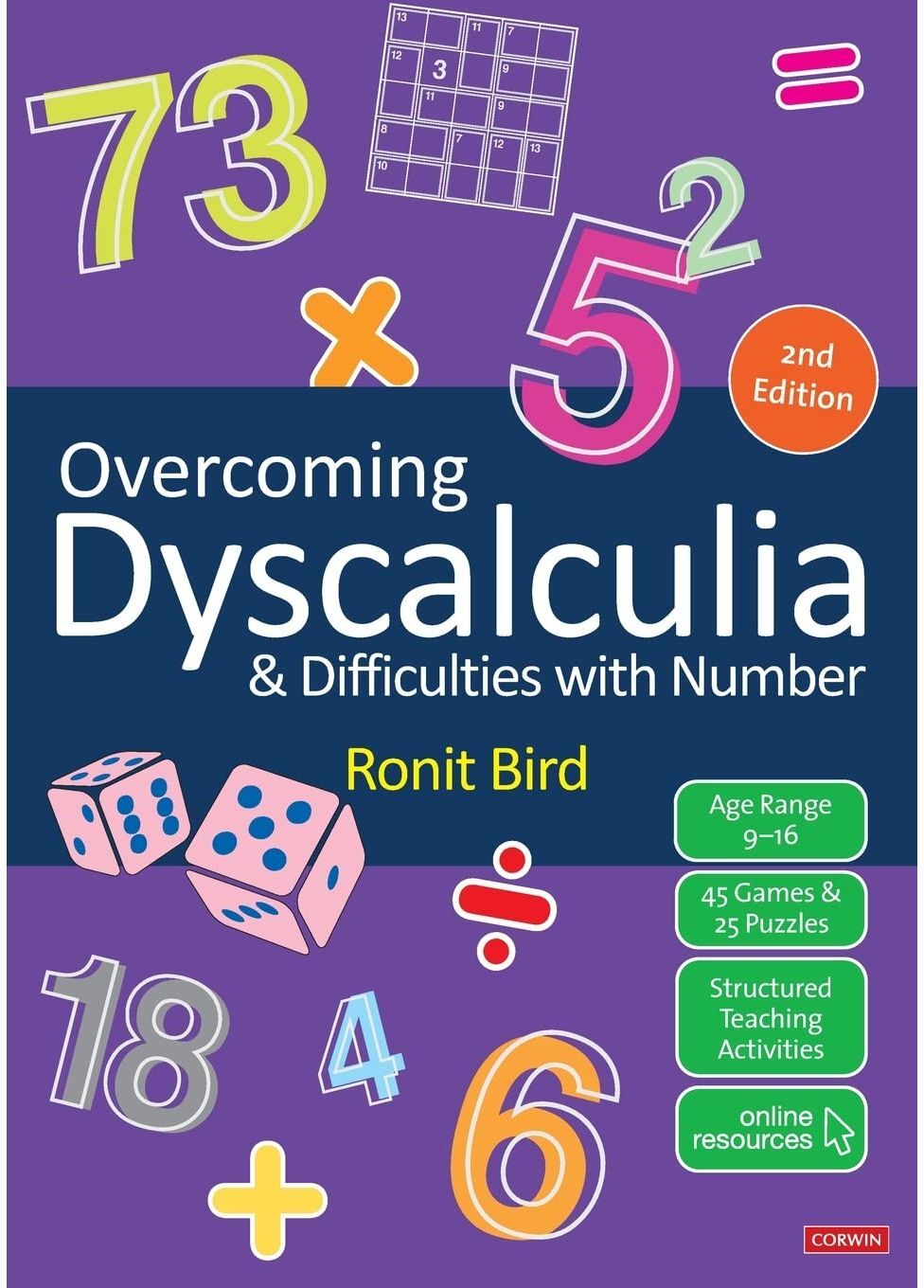
SAGE Publications Overcoming Dyscalculia and Difficulties with NumberThis practical book draws on Ronit Bird’s teaching experience to create detailed strategies and teaching plans for students aged 9-16 who have difficulties with number. Activities and games are used to teach numeracy skills in these key areas: number components, bridging, multiplication, division and reasoning strategies. New to this edition: An updated Part I, improving the clarity and flow of the teaching ideas, including a table mapping games against specific teaching points More activities and guidance for multiplication and division A new Part V, consolidating new and existing teaching games in one place 4 new videos added to the online resources This is an ideal resource for class teachers, SENCO (Special Educational Needs Co-ordinator) and maths subject leader, and is equally useful for teaching assistants and learning support assistants.27,95 £*Shipping: 2,99 £Secure redirect to the provider
-
What is Hitler's leadership principle?
Hitler's leadership principle, as outlined in his book Mein Kampf, was based on the concept of the "Fuhrerprinzip" or the leader principle. This principle emphasized absolute obedience to the leader, who was seen as the ultimate authority and decision-maker. Hitler believed in a hierarchical structure with himself at the top, and expected unwavering loyalty and obedience from his subordinates. This authoritarian leadership style allowed Hitler to consolidate power and control within the Nazi party and the German state. **
-
Why is good leadership important?
Good leadership is important because it sets the direction, motivates employees, and helps achieve organizational goals. Effective leaders inspire and empower their team members, fostering a positive work environment and encouraging collaboration. Strong leadership also promotes innovation, problem-solving, and adaptability, which are essential for navigating challenges and driving success in today's dynamic business landscape. Ultimately, good leadership is crucial for building a cohesive and high-performing team that can achieve sustainable growth and long-term success. **
-
What is the leadership sector?
The leadership sector refers to the field of study and practice that focuses on developing effective leadership skills and strategies. This sector encompasses various industries and organizations, including business, government, non-profit, and education, where leadership is essential for driving success and achieving goals. Professionals in the leadership sector may work as consultants, coaches, trainers, or in leadership roles within their respective organizations, helping to cultivate strong and impactful leaders. The leadership sector is dedicated to understanding and promoting the qualities and behaviors that make great leaders and fostering environments where leadership can thrive. **
-
Should civil servants be excluded from leadership positions in disaster management?
No, civil servants should not be excluded from leadership positions in disaster management. Civil servants often have the necessary expertise, experience, and knowledge of government systems to effectively lead disaster management efforts. Their understanding of bureaucratic processes, resource allocation, and interagency coordination can be crucial in effectively responding to and managing disasters. Additionally, civil servants are often dedicated public servants who have a deep commitment to serving their communities, making them well-suited for leadership roles in disaster management. Excluding them from such positions could limit the effectiveness of disaster response efforts. **
* All prices are inclusive of VAT and, if applicable, plus shipping costs. The offer information is based on the details provided by the respective shop and is updated through automated processes. Real-time updates do not occur, so deviations can occur in individual cases. ** Note: Parts of this content were created by AI.